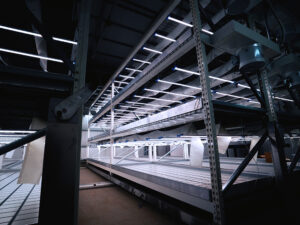
Vernalization and Photoperiod Control in Research Greenhouses
by Josh Holleb Vernalization and photoperiod are two environmental drivers that determine when many breeding crops flower. A research greenhouse can control both through a

by Josh Holleb Vernalization and photoperiod are two environmental drivers that determine when many breeding crops flower. A research greenhouse can control both through a
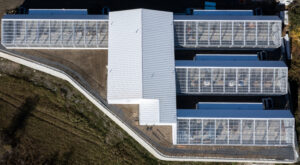
A university research greenhouse needs multiple, isolated climate zones, not the single shared environment that works for a teaching or production greenhouse. That difference drives
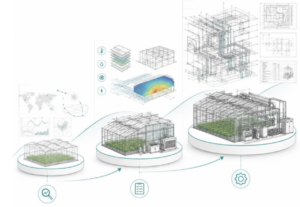
Greenhouse owners increasingly need more than an operating cost projection. Lenders, institutional partners, and public-sector clients are asking for documented sustainability performance, a credible electrification
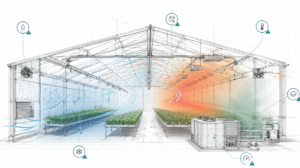
Humidity is one of the most difficult variables to manage in a commercial greenhouse, and one of the easiest to get wrong in a design
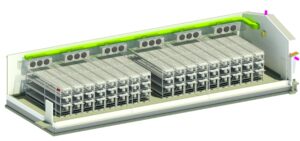
Every piece of mechanical equipment in a greenhouse comes with performance data from the manufacturer. Heating capacity, cooling capacity, coefficient of performance, airflow rate, energy

Greenhouse ventilation design typically begins with a standard set of calculations — vent area sized to peak summer load, and openings and circulation fans positioned
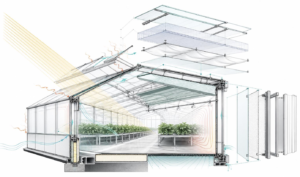
Energy is consistently one of the largest operating costs in commercial greenhouse and controlled-environment agriculture (CEA) production. Heating, cooling, ventilation, dehumidification, and supplemental lighting collectively
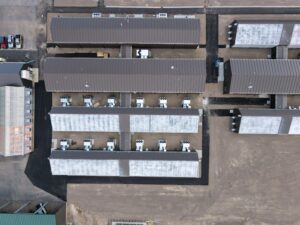
Client: KWS Seeds Location: Kimberly, Idaho Partners: Starr Corporation (General Contractor) Project Type: Commercial research greenhouse – new construction Date: July 2026 Project Overview When
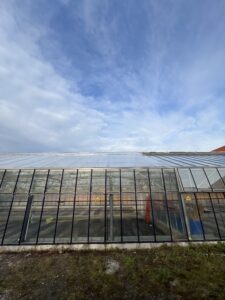
Client: KWS Location: Einbeck, Germany Partners: Ceres, Block Ceres Involvement: Consulting Date: February 2026 KWS enlisted the help of Ceres Greenhouse Solutions after dealing with
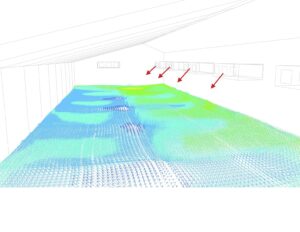
When an engineer sizes a greenhouse heating or cooling system, the most common approach is to pick a design day, typically a single worst-case temperature,
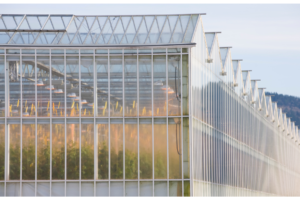
A comprehensive guide for growers, developers, researchers, and ag-tech investors The greenhouse industry is complicated — highly competitive, oftentimes undifferentiated, with varying price points. While
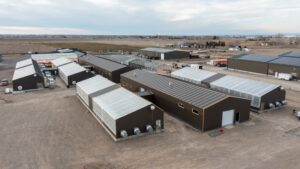
The difference between a standard commercial greenhouse and a purpose-built research greenhouse facility is significant. General-use structures are optimized for production and cost. Research-grade facilities
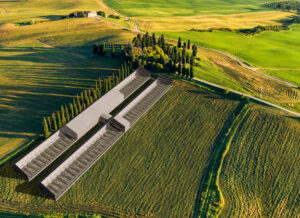
Planning a commercial greenhouse or indoor farm is a complex undertaking. Before permits are pulled, equipment is ordered, or a single post is set, there’s
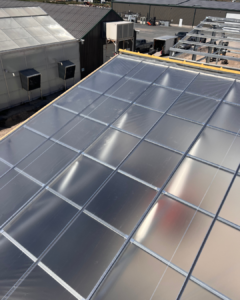
The choice of greenhouse covering material is rarely as simple as comparing price per square foot. Upfront material cost is only one variable in an
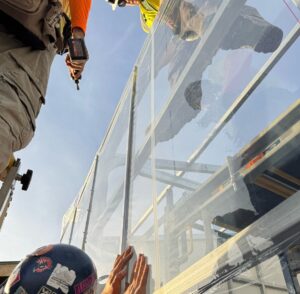
For many greenhouse projects, the glazing decision eventually narrows to a familiar comparison: Polycarbonate or something newer like ETFE? Polycarbonate has become a common choice
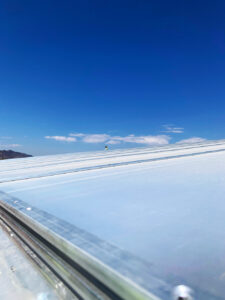
ETFE (ethylene tetrafluoroethylene) is a fluoropolymer film used as greenhouse glazing in single-layer and multi-layer systems. Compared with glass, polycarbonate, and polyethylene, it transmits a

At some point in the process of every greenhouse project, the focus narrows to a deceptively simple question: What should we use for glazing? It’s

Many growers today are operating or acquiring greenhouses that were built decades ago. These structures have produced successful crops for years but may now struggle

Why Putting the “Build First” is Risky Feasibility – the state or degree of being easily or conveniently done. At first glance, building a greenhouse

Building Management Systems (BMS) have been instrumental in providing efficient control and monitoring systems in industrial and commercial buildings, primarily for heating, ventilation, and air

A Ceres greenhouse just north of the Canadian border has been getting a lot of attention recently. After being featured in the July issue of Greenhouse

BIM (Building Information Modeling) is a 3D modeling process used for design and construction in order to more accurately plan and build structures. At Ceres

By Hervé Maumus-Hue Carbon dioxide (CO2): The Basics Introduction 1 – Different types of plants, different biological processes 2 – C3 plants: the importance of

By Hervé Maumus-Hue Managing a perfect growing environment is challenging and is the topic of much research. We know that the environment dictates the efficiency

Get A Free Quote At Ceres, we help our clients become smarter growers by staying at the forefront of greenhouse technology. We conduct our own

Vapor Pressure Deficit (VPD) is the difference between how much moisture the air can hold and how much moisture it currently holds. It captures the