Client: KWS Seeds
Location: Kimberly, Idaho
Partners: Starr Corporation (General Contractor)
Project Type: Commercial research greenhouse – new construction
Date: July 2026
Project Overview
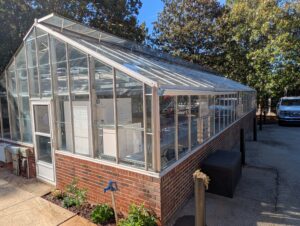
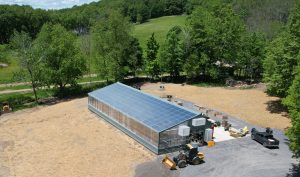
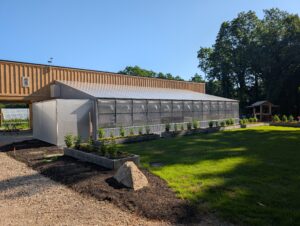
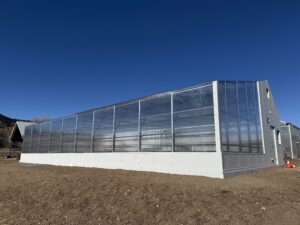
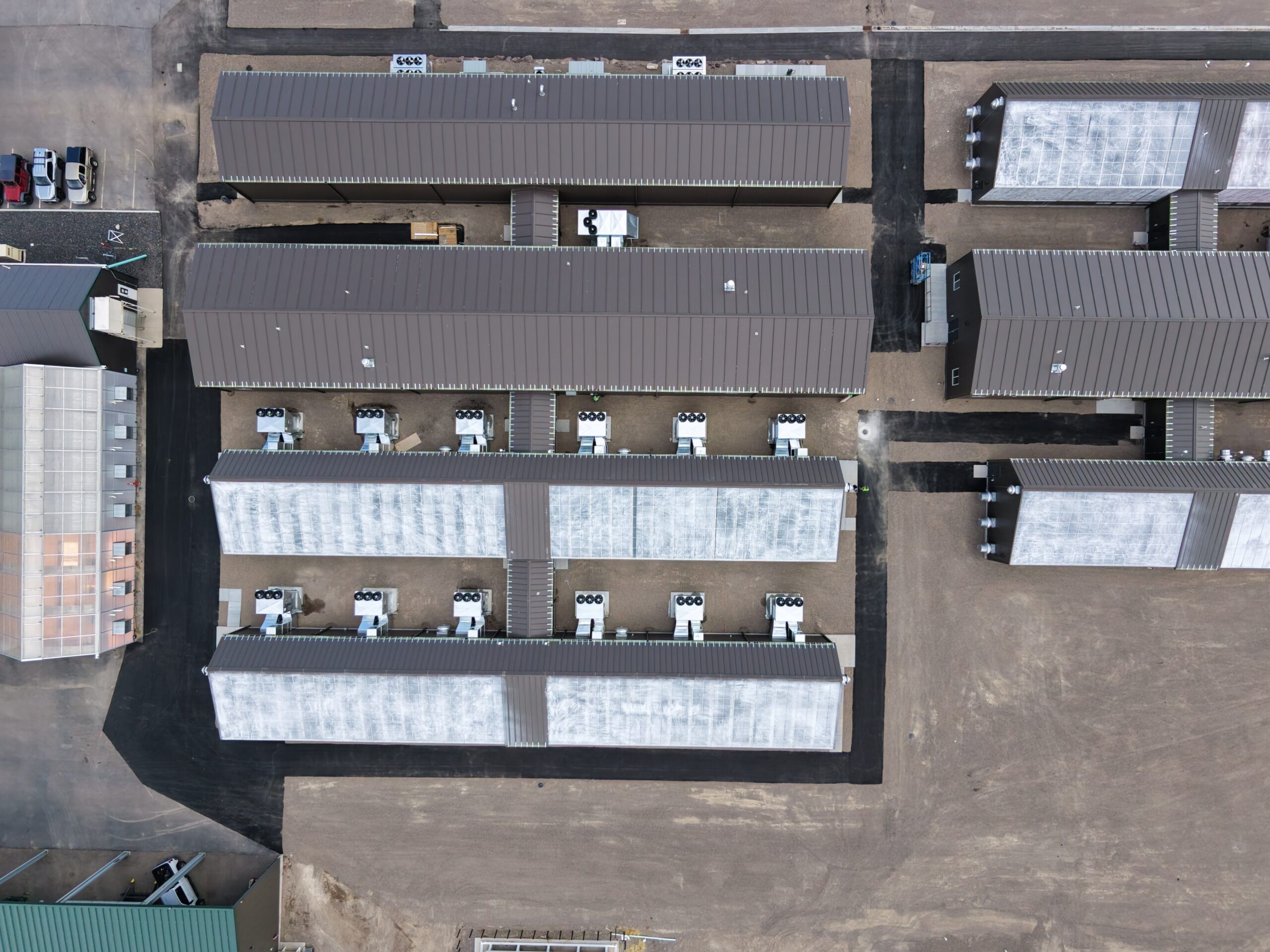
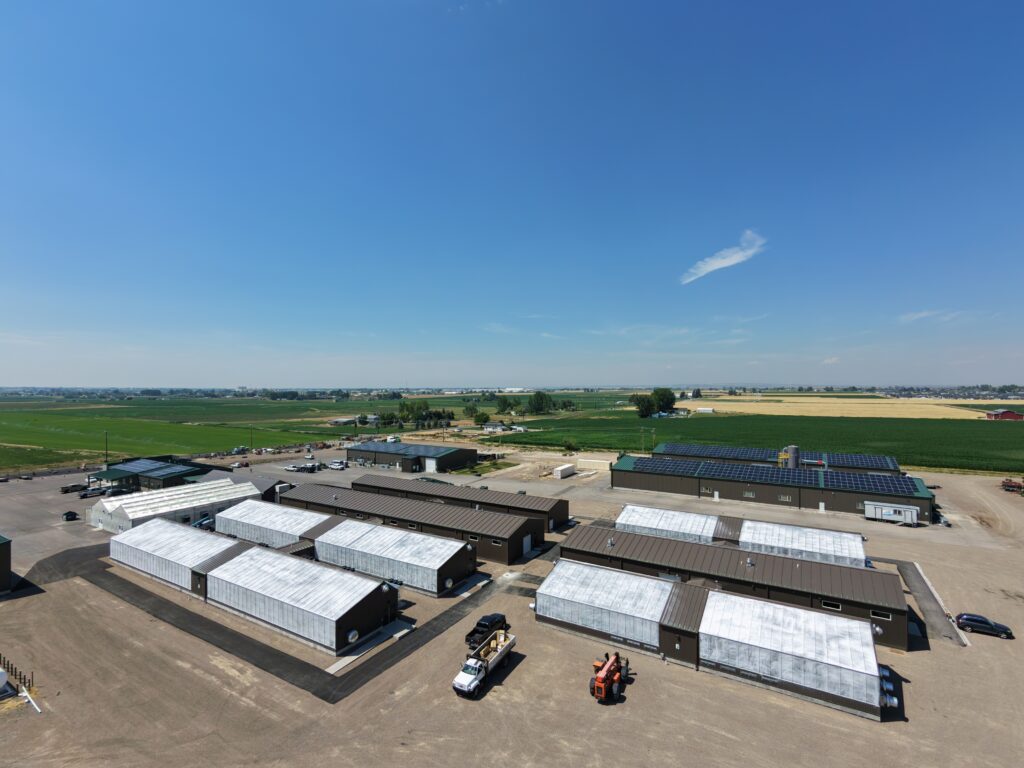
When KWS Seeds set out to expand its breeding and research station in Kimberly, Idaho, the goal was ambitious: build North America’s most advanced sugarbeet research greenhouse facility. Ceres Greenhouse Solutions partnered with KWS Seeds to design, engineer, and equip the facility, and worked alongside general contractor Starr Corporation to bring the project from groundbreaking to grand opening.
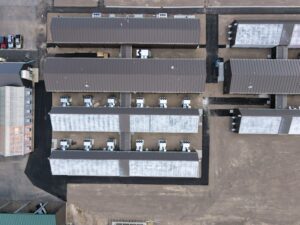
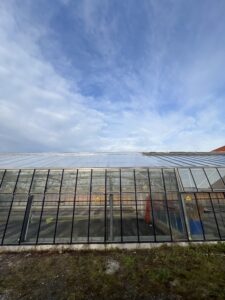
The result is a two-part greenhouse complex purpose-built for precision agricultural research — one facility supporting seedling production for sugarbeet trials, and the other dedicated to advancing plant disease management research.
The Challenge
Sugarbeet breeding and disease research demand an unusual level of environmental precision. KWS Seeds needed a facility that could replicate highly specific growing conditions on demand — controlling temperature, humidity, and light across multiple independent zones — while also meeting long-term goals around energy efficiency and sustainability. The facility also needed to support two distinct research functions under one project scope: seedling production and disease trialing, each with its own climate and operational requirements.
The Ceres Approach
Ceres designed the facility around precision climate control as the core engineering challenge, incorporating several innovative systems to meet KWS Seeds’ research requirements:
Vernalization Chamber: Sugarbeet is a biennial crop — it needs a sustained period of cold exposure before it will transition from vegetative growth to flowering and seed production. A dedicated vernalization chamber simulates that winter dormancy period under controlled conditions, allowing researchers to induce flowering on a precise, repeatable schedule rather than waiting on a natural growing season, giving KWS researchers exact control over the vernalization process for faster, more consistent breeding cycles.
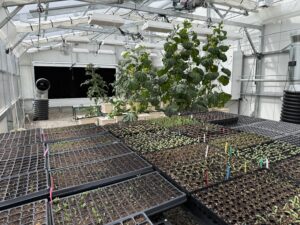
Precise Greenhouse Climate Control: Across the greenhouse facility, four independent plant zones allow researchers to regulate temperature and humidity to exact set points, reduce nighttime light pollution, and fine-tune direct sunlight exposure — all managed from a single dashboard. This gives KWS researchers the ability to replicate the precise conditions needed for seedling production and disease trialing with a level of control that would be difficult to achieve in a conventional greenhouse.
Ceres SunSense™ Automation: The facility runs on Ceres’ proprietary SunSense™ system, which uses advanced algorithms and real-time environmental data to automatically maintain optimal growing conditions across the facility.
Energy-Efficient Design: Proprietary heat pump technology and energy curtains were integrated throughout the facility to deliver peak energy efficiency, supporting KWS Seeds’ commitment to reducing its carbon footprint without compromising research precision.
In Their Words
“A key focus of the project was achieving precision climate control for both seedling production and testing. To achieve that, the facility incorporates several innovative design elements that set it apart as a futuristic example of seed research.”
— Chris Uhlig, CEO, Ceres Greenhouse Solutions
“This forward-looking facility sets a new standard by utilizing ultramodern technology. It will play a large part in the development of improved varieties and find agronomic solutions for the challenges that sugarbeet producers face in their crop production.”
— Breanne Stowell, Senior Station Manager, KWS Seeds
Project Impact
With the facility now fully operational, KWS Seeds is positioned to accelerate research across two critical fronts:
- Seedling production for ongoing sugarbeet variety trials
- Disease management research, with trialing efforts focused on identifying and selecting resistance traits for Curly Top and Rhizoctonia diseases, alongside advancing herbicide-tolerant breeding programs
The Kimberly facility is one of five KWS Seeds breeding research stations in the U.S. and specializes in developing traits and hybrids suited for irrigated regions across the western U.S. and globally. This project builds on a 2019 site expansion and represents a continued investment in both KWS Seeds’ research capacity and the Kimberly community.
Why It Matters
Precision climate control isn’t just a technical achievement — it directly shapes research outcomes. By giving KWS’ seed breeders exact, repeatable control over growing conditions, this facility supports faster, more precise development of next-generation sugarbeet hybrids with better disease tolerance and improved yields, ultimately benefiting growers across the industry.
This project reflects the kind of work Ceres does best: translating complex research requirements into greenhouse systems engineered for precision, efficiency, and long-term reliability.
Interested in a research or production greenhouse built around your specific climate requirements? Contact Ceres to start the conversation
Explore a Ceres/KWS consulting collaboration here