The difference between a standard commercial greenhouse and a purpose-built research greenhouse facility is significant. General-use structures are optimized for production and cost. Research-grade facilities are optimized for biosecurity, precision, repeatability, and data integrity. If you’re designing a greenhouse to support serious ag science, the design process starts well before any steel goes in the ground.
This guide walks through the key considerations for designing a research greenhouse, from defining your research objectives to selecting the right design-build partner. Whether you’re planning seed trials, crop performance studies, or next-generation phenotyping programs, these principles apply.
Start with your research objectives
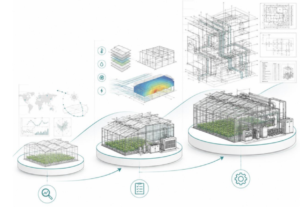
The most common mistake in greenhouse facility planning for agricultural research is jumping to structural decisions before clearly defining the science. What you’re studying and how should drive every design choice downstream.
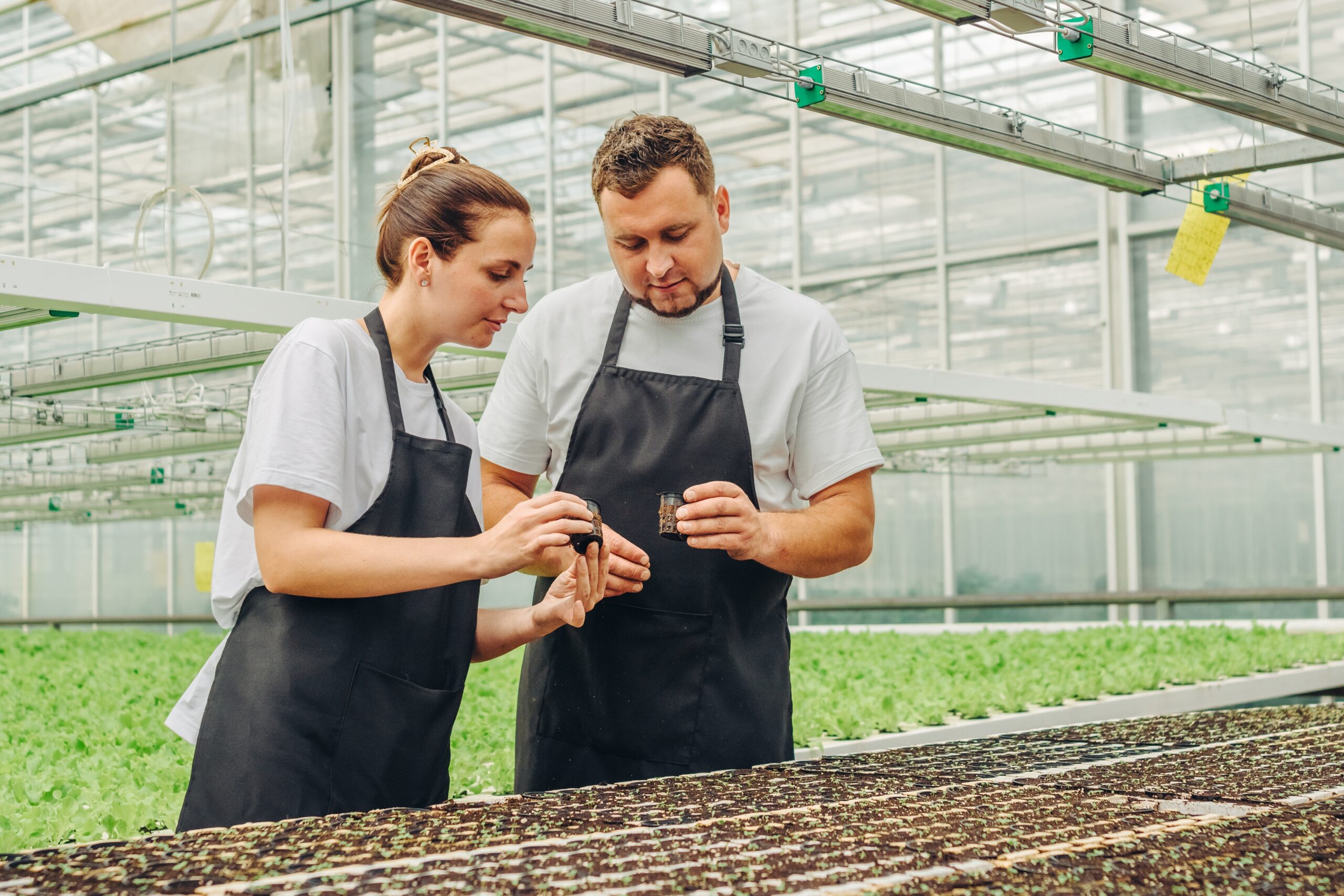
Are you running replicated seed trials, developing a phenotyping program, or conducting disease or pathogen studies? Each of these use cases has meaningfully different facility requirements.
At Ceres, we start every project by working through these questions with our clients’ R&D and greenhouse operation teams before a single spec is written. The result is a facility designed around the science, not retrofitted to it after the fact.
Environmental control: the foundation of research-grade design
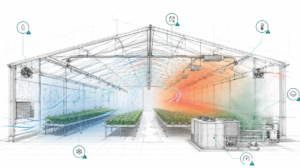
If one system defines the difference between a research greenhouse and a production greenhouse, it’s climate control. In production environments, temperature and humidity control within a few degrees and percentage points is usually acceptable. In research environments, a variance of even a few degrees can invalidate trial data across experimental groups.
A well-designed research greenhouse addresses environmental control across several dimensions:
Temperature and humidity precision
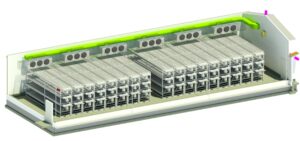
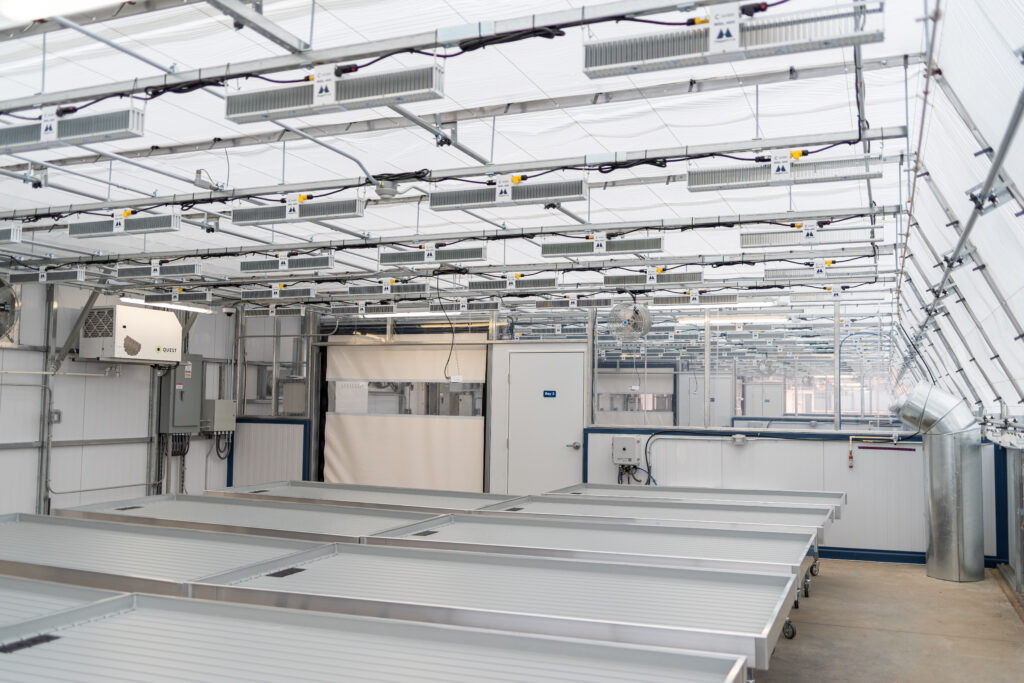
Zone-level HVAC, not just building-level, allows independent environment management across experimental blocks. This is essential for multi-treatment trials where environmental uniformity is a controlled variable.
Lighting Systems
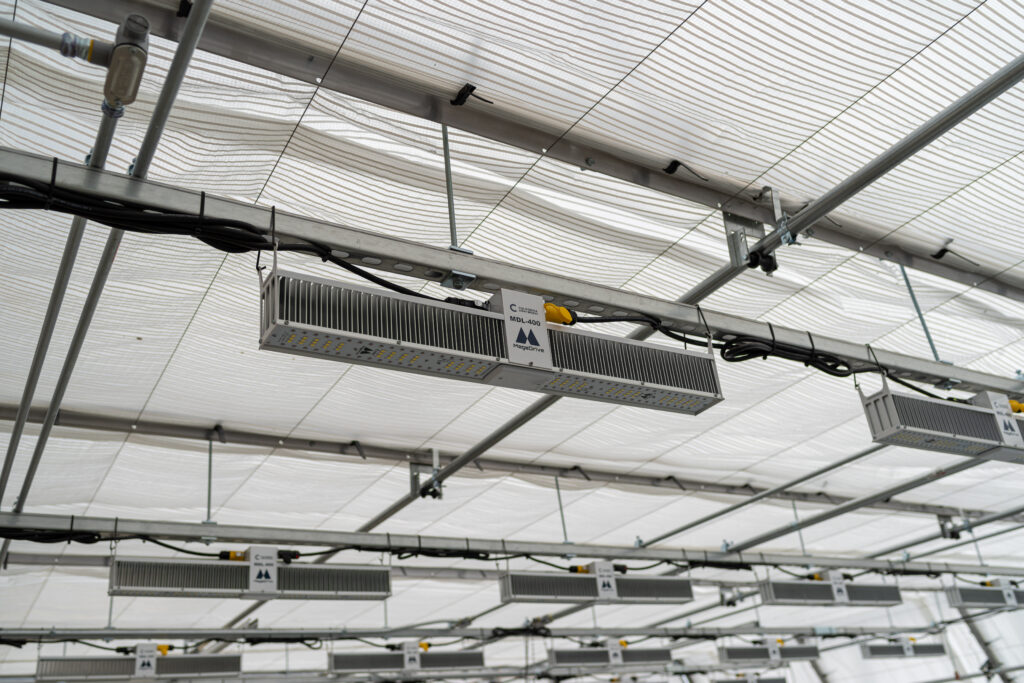
Supplemental lighting decisions depend entirely on your latitude, crop type, and research design. Artificial lighting supports everything from basic photoperiod control to full-spectrum, year-round studies independent of natural daylight. To achieve a more energy-efficient solution without sacrificing light quality, you can use design elements such as glazing material and energy curtains to harness natural light and limit the use of artificial light. Greenhouse automation systems that tie lighting schedules to environmental sensors dramatically improve consistency across growth cycles.
CO₂ enrichment and airflow
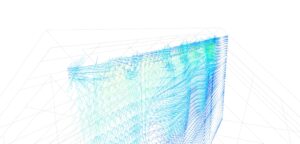
Uniform CO₂ distribution and well-designed horizontal airflow are often overlooked, but they’re critical for eliminating microclimatic variation within a bay. Research facilities should include CO₂ monitoring at the plant canopy level, not just at the intake. It should be noted that when CO₂ gets added, security measures, like evacuation procedures, need to be considered and designed into the final solution.
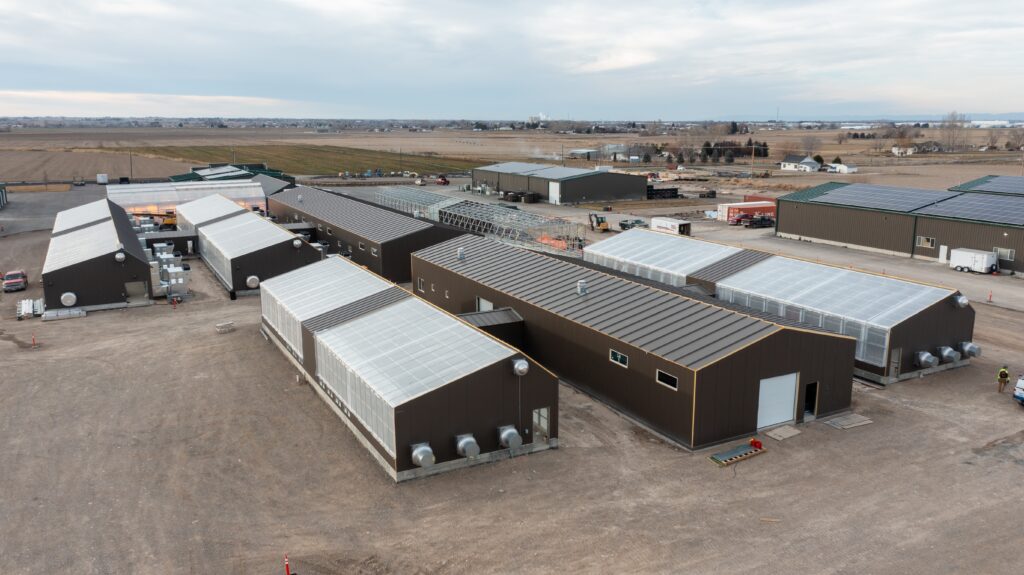
To see what this looks like in practice, consider the facility Ceres recently designed for KWS Seeds, one of the world’s leading seed companies.
Case Study:
KWS Seeds Research Greenhouse — Kimberly, Idaho
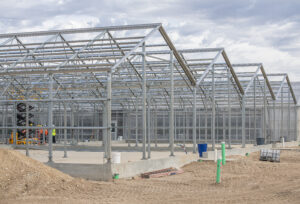
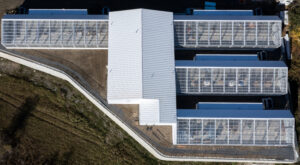
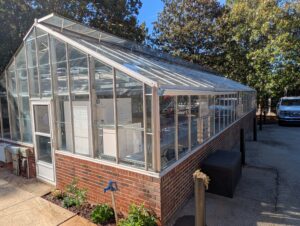
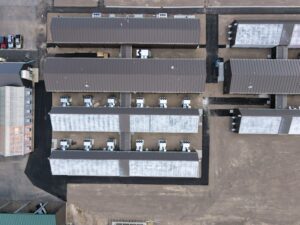
When KWS Seeds needed a next-generation sugarbeet research facility in North America, they partnered with Ceres to design and build two purpose-built greenhouse facilities at their Idaho breeding station. The facilities feature zone-level climate control across four independent environments, proprietary heat pump technology, energy curtains for peak efficiency, and the Ceres SunSense™ automation system, which uses real-time environmental sensors and advanced algorithms to maintain precise growing conditions automatically. One greenhouse supports seedling production for sugarbeet trials; the second advances plant disease management research.
Structural design for research workflows
The structure of a research greenhouse should reflect how your teams actually work inside it. Agricultural research facility design at the commercial scale involves a different set of structural tradeoffs than typical greenhouse construction.
Bay width and gutter height affect everything from equipment access and airflow patterns to how efficiently you can move between experimental plots. Wider bays with higher gutters allow more flexible internal configurations, which is important when research programs evolve over time.
Modular layouts are worth serious consideration. Research programs change: new crops, new methods, new partnerships. A facility designed with modular bay configurations can adapt without requiring major structural renovation. This is one of the clearest ways that good upfront design pays long-term dividends.
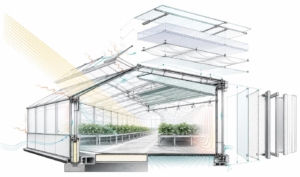
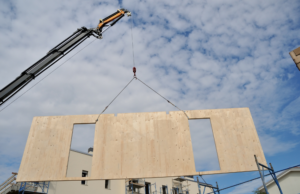
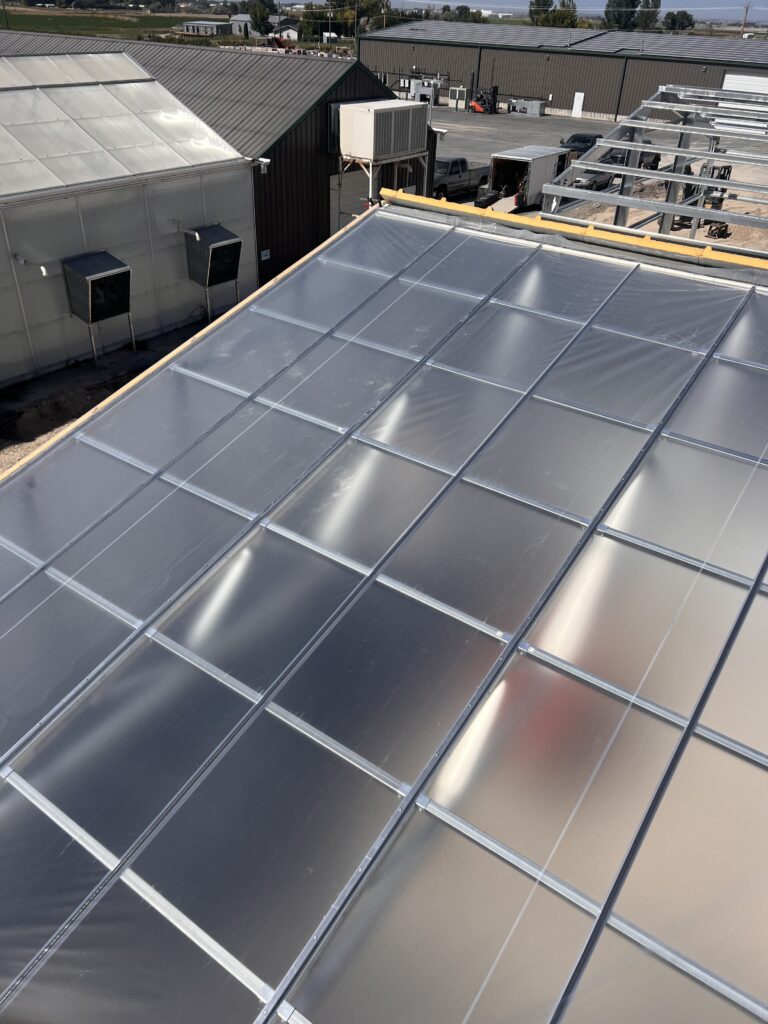
Material selection, glazing type, wall material, and structural framing affect light transmission, insulation, and long-term maintenance costs. For research facilities, light transmission quality (not just quantity) matters. Diffused ETFE glazing, for example, reduces hotspots and improves uniformity across canopies. ETFE is also a safer material as it doesn’t pose the risk of falling down on workers like glass does.
Technology integration and automation
Modern research greenhouses are increasingly data-driven environments. Greenhouse automation systems tie together environmental sensors, irrigation controls, lighting schedules, and alert systems into unified building management platforms. For large or distributed research programs, remote monitoring capabilities allow your team to track facility performance across multiple sites without being on-site.
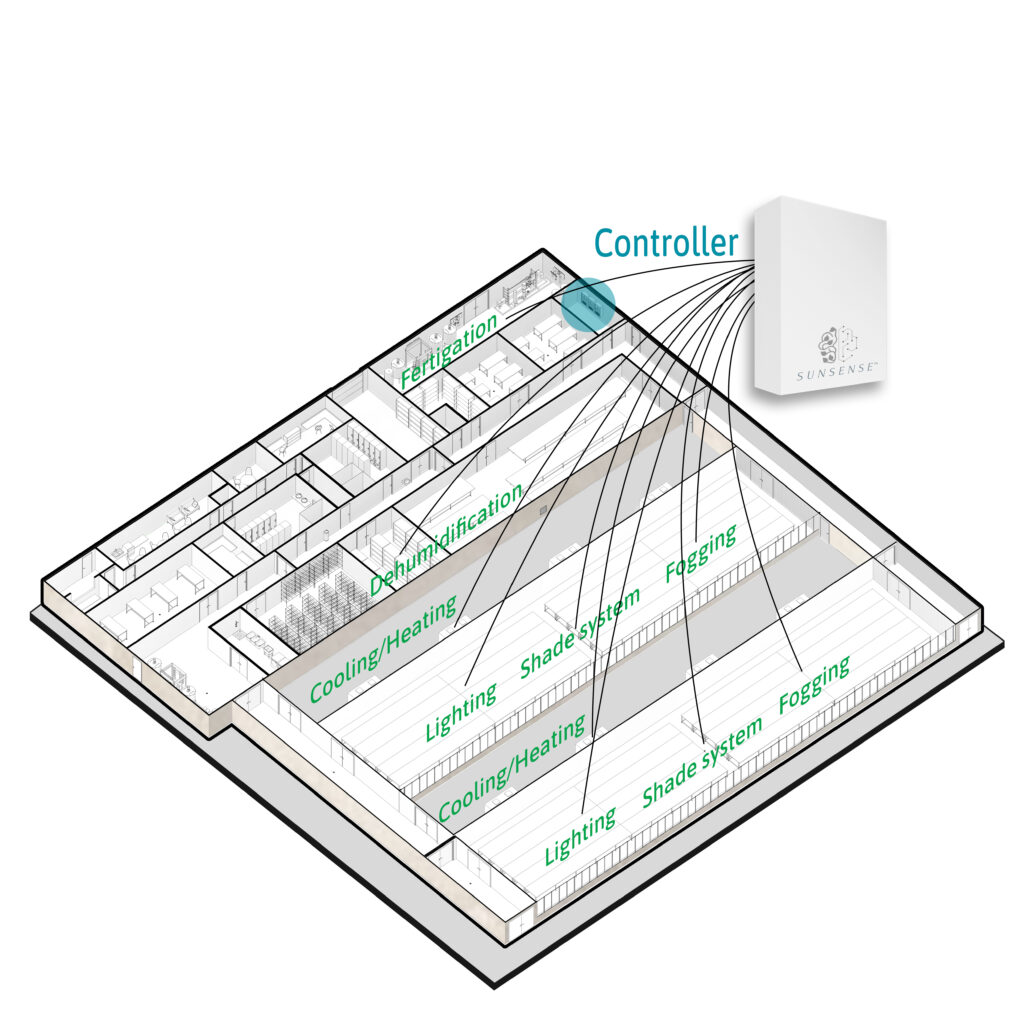
Integration with research data management platforms, connecting facility environmental logs to experimental records, is a growing priority for ag R&D teams. Design for this from the start: think about where sensors are placed, how data is timestamped and exported, and what APIs your facility management systems support.
This is where controlled environment agriculture (CEA) expertise becomes particularly valuable. CEA-focused design-build firms understand not just how to build a greenhouse, but how to engineer the data infrastructure that makes research facilities genuinely useful as scientific tools.
Biosecurity and regulatory compliance
For ag companies conducting research with regulated plant materials, biosecurity is a design requirement, not an afterthought. USDA-compliant greenhouse design involves specific containment requirements: positive or negative pressure differentials, insect exclusion systems, dedicated airlocks, and controlled-access zones.
Even facilities not subject to USDA regulation benefit from biosecurity design principles. Pest exclusion screens, sanitation stations, and clearly defined clean and dirty traffic flows protect the integrity of your research program and reduce the risk of costly contamination events.
Ceres has extensive experience designing and building facilities that adhere to varying levels of biosecurity standards, and we work closely with clients’ regulatory and compliance teams throughout the design process.
Planning for scale and flexibility
One of the most important aspects of greenhouse design and build for research is designing for future growth. Phase 1 facilities that can expand cleanly into Phase 2 avoid the high cost and disruption of trying to expand a structure that wasn’t built with expansion in mind.
This means thinking about MEP engineering, structural load capacity, and site layout before breaking ground on the initial build. It also means choosing a design-build partner who will still be available and accountable when Phase 2 arrives.
For big AG R&D programs, the relationship between your research team and your greenhouse partner is long-term. The best greenhouse relationships are more like partnerships than one-time contracts: your partner understands your science, anticipates your needs, and brings solutions rather than just specifications.
Choosing the right greenhouse design-build partner
Not all greenhouse companies are equipped to deliver a full system solution for research applications. When evaluating a greenhouse engineering firm for an R&D facility, look for:
Experience with research clients specifically. Production greenhouse experience doesn’t automatically translate. Ask for case studies from agricultural universities, biotech companies, or seed companies, organizations where precision and data integrity were requirements, not preferences.
In-house engineering and controls expertise. Research facilities require tight coordination between structural design, mechanical systems, and building controls. Firms that subcontract all three often produce facilities where the pieces don’t work seamlessly together.
A transparent design process. You should understand exactly what you’re getting and why before construction begins. Good greenhouse facility planning defines the goals of the facility up front, and then executes every step of the design, engineering, build and commissioning process to align with these set goals.
You also want a design-build partner that has experience working on an international level. A partner that has relationships with local vendors in different countries and can make the call on when it’s better to import materials and when it’s better to source locally.
Long-term service capability. Research programs run for years. Make sure your design-build partner can support your facility through its operational life, not just hand over the keys at project completion.
The bottom line
Designing a greenhouse for plant research is fundamentally different from designing a greenhouse for production. The science demands precision, repeatability, and flexibility, and the facility needs to deliver all three consistently, year after year.
Getting the design right from the start, working with a partner who understands both the engineering and the science, is the most secure investment your R&D program can make in long-term research productivity.
Ceres Greenhouse Solutions specializes in agricultural research facility design for commercial ag companies, seed companies, and research institutions. We work with your R&D and facilities teams from concept through commissioning, and we’re here for the long run.
Ready to start the conversation? → Talk directly with our team about your greenhouse project