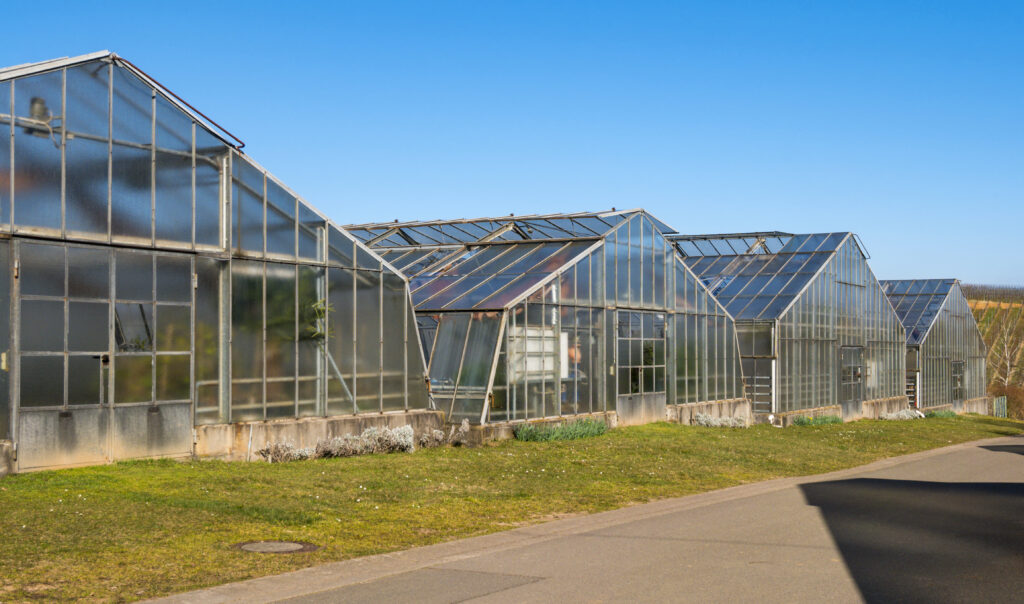
Many growers today are operating or acquiring greenhouses that were built decades ago. These structures have produced successful crops for years but may now struggle to meet the demands of modern production. Rising energy costs, changing of crops and/or crop requirements, and new climate control technologies have left many growers asking the same question: Should I retrofit my existing greenhouse, or is it time to rebuild?
The answer isn’t always straightforward. In many cases, a well-planned retrofit can dramatically improve environmental control, energy efficiency, and crop performance, often at a fraction of the cost of new construction. But in other situations, structural limitations or outdated layouts can make rebuilding the better long-term investment. Understanding the difference is key. In this article, we’ll walk through the factors growers should consider when deciding whether to retrofit or rebuild their greenhouse, and how to identify the path that delivers the best return for their operation.
What we’ll cover in this article:
- Evaluating structural integrity
- Common problems retrofits can solve
- High-impact retrofit upgrades
- Signs it may be time to rebuild
- Cost considerations
- How to minimize downtime during retrofit projects
- The benefit of a hybrid approach
- Questions growers should ask before deciding
Start with the structure: is your greenhouse still functional?
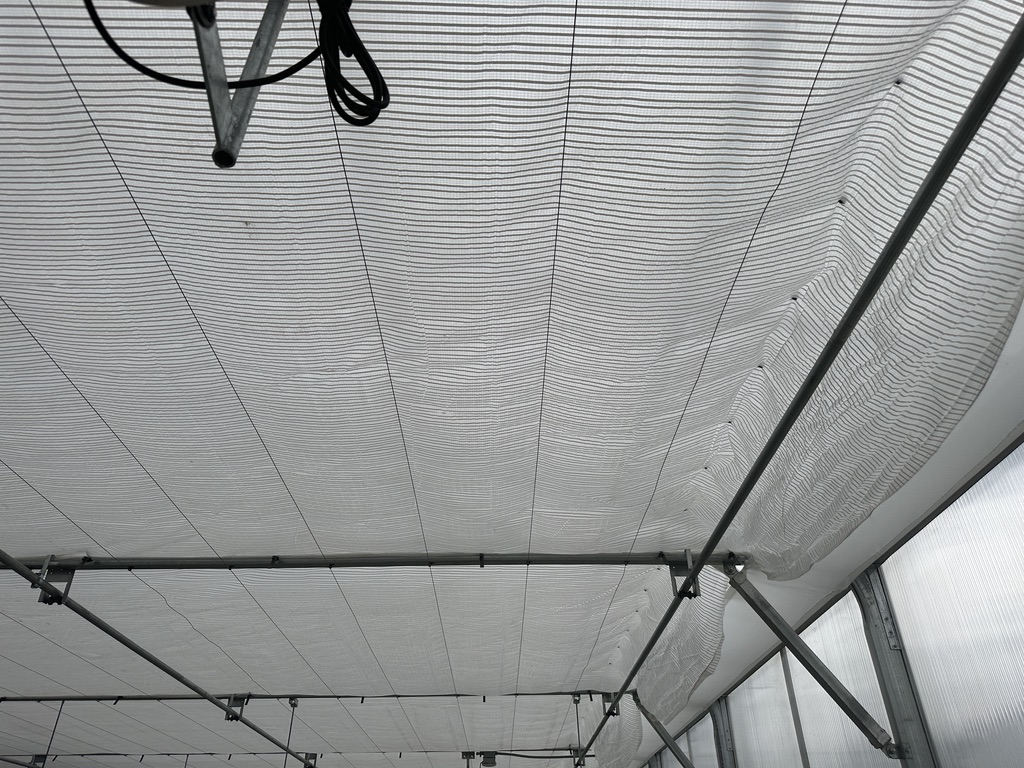
Before deciding whether to retrofit or rebuild, the first step is evaluating the condition and capabilities of the existing greenhouse structure. The frame and foundation form the backbone of the entire facility, and if these elements are still structurally sound, many modern systems can often be integrated successfully. Growers should look for signs of corrosion from the elements, deterioration due to age, or damage in the framing, as well as consider whether the structure can support newer equipment such as energy curtains, supplemental lighting, or updated ventilation systems.
Roof height, spacing between trusses, and the overall layout of the greenhouse can also influence how effectively air moves through the space and how easily new technologies can be installed. In many cases, a strong and well-maintained structure provides a solid foundation for retrofits that improve performance and efficiency without the need for full replacement.
Common problems that greenhouse retrofits can solve
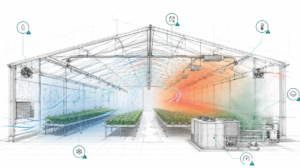
Many growers begin considering a retrofit when their greenhouse starts to show signs that the environment inside the structure is no longer supporting optimal crop production. One of the most common challenges is inconsistent climate control. Older greenhouses often struggle with uneven temperatures, poor airflow, or excessive humidity, which can lead to plant stress, disease pressure, and inconsistent growth across the growing space. In addition to environmental challenges, outdated systems can also drive up operating costs.
Inefficient heating systems, aging ventilation equipment, or poor insulation can cause significant energy loss, especially during colder months. Many older facilities also rely on manual controls or aging infrastructure that makes it difficult to precisely manage growing conditions. Retrofitting these systems, whether through improved ventilation, updated heating solutions, modern environmental controls, or more efficient glazing, can significantly improve growing conditions while helping reduce energy consumption and operational costs.
Case study: a real greenhouse retrofit project
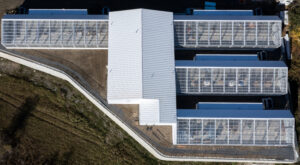
A commercial greenhouse grower in Germany approached Ceres Greenhouse Solutions with a problem: their 30-year-old greenhouse structure was experiencing damage to its glass glazing. In addition to ongoing maintenance concerns, the existing glazing was no longer meeting the grower’s needs for durability, worker safety, or optimal plant performance, particularly in a region with high wind exposure.
After evaluating the structure, Ceres identified an opportunity to retrofit rather than rebuild. Instead of replacing the entire greenhouse, our team designed a custom track system that allowed for the installation of ETFE film directly onto the existing frame. This approach avoided the need for major structural modifications while still delivering a significant performance upgrade.
The new ETFE glazing provided multiple benefits. Its high light transmission and improved UV permeability created a more optimal growing environment, contributing to enhanced plant quality and performance. While ETFE represents a higher upfront investment compared to traditional materials, it offers a long lifespan (up to 30 years) making it a cost-effective solution over time.
Equally important, the installation process was designed to minimize disruption. By completing the retrofit one greenhouse at a time, the grower was able to maintain ongoing production with little interruption.
This project demonstrates how a strategic retrofit can extend the life of an existing greenhouse while delivering meaningful improvements in performance, efficiency, and durability, without the cost and downtime of a full rebuild.
Signs it may be time to rebuild
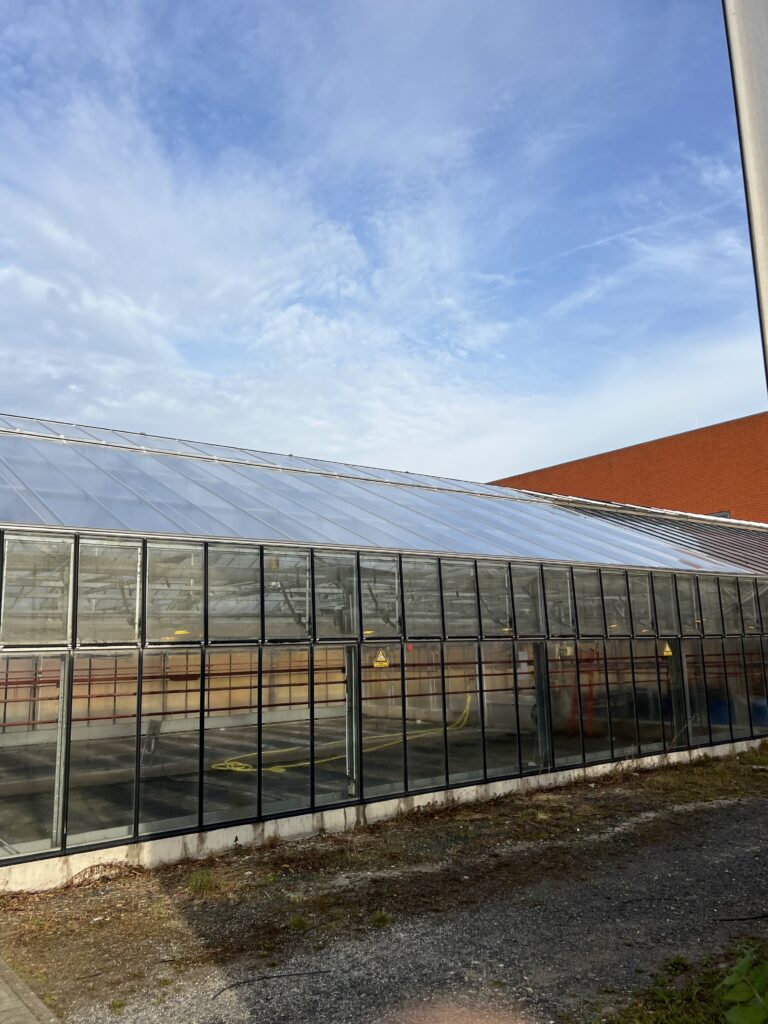
While many greenhouses can benefit from targeted upgrades, there are situations where rebuilding may be the better long-term solution. Significant structural deterioration, such as extensive corrosion, compromised framing, or foundation issues, can make retrofitting difficult or cost-prohibitive.
Design limitations can also play a role. Older greenhouses often have lower roof heights, limited ventilation capacity, or layouts that restrict airflow and environmental uniformity. These factors can make it difficult to maintain the precise climate control that modern crops require.
Another important consideration is whether the crop requirements have changed significantly since the greenhouse was originally built. This is especially true if you acquired a greenhouse facility that housed an entirely different crop than yours. For instance, if a facility was designed for crops with very different environmental needs, such as moving from seasonal ornamentals to year-round food production or high-value specialty crops, the existing structure may not be able to support the necessary climate control, lighting, or production systems.
In cases where structural limitations, design constraints, or changing crop requirements prevent meaningful improvements, rebuilding may ultimately provide greater long-term efficiency and flexibility.
Cost considerations
While retrofitting often requires a smaller upfront investment, growers should consider several factors when comparing it to new construction. The table below highlights some of the key differences that can influence the long-term value of each option.
| Consideration | Retrofit | Rebuild |
| Upfront investment | Typically lower because the structure and foundation already exist | Higher due to full construction, materials, and site preparation |
| Construction timeline | Often shorter; upgrades can sometimes be done in phases | Longer timeline from design through construction |
| Operational disruption | Can often be minimized by upgrading specific bays or working between crop cycles | May require new land or downtime before the facility becomes operational |
| Design flexibility | Limited by the existing structure, layout, and roof height | Fully customizable to meet modern crop and technology requirements |
| Technology integration | Many modern systems can be added, but some structural limits may apply | Designed from the ground up to integrate customizable systems and automation |
| Energy efficiency potential | Can improve significantly with upgrades but may still be constrained by original design | Can be optimized for energy efficiency from the start |
| Long-term scalability | May be limited depending on the structure and site layout | Greater ability to scale, expand, and adapt for future crops |
When a hybrid approach works best
In many situations, the decision between retrofitting and rebuilding isn’t strictly one or the other. Some of the most effective greenhouse projects involve a hybrid approach that combines smart upgrades to existing structures with strategic new construction.
For example, a grower may retrofit older bays with improved climate control systems, glazing, or automation while adding new greenhouse space designed specifically for newer crops or expanded production. This approach allows growers to maximize the value of their existing infrastructure while still investing in modern facilities where it makes the most sense.
A hybrid strategy can also provide greater flexibility, allowing operations to gradually modernize their facilities while managing capital investments over time. For many growers, this balanced approach offers a practical path to improving efficiency and expanding production without fully replacing their current greenhouse.
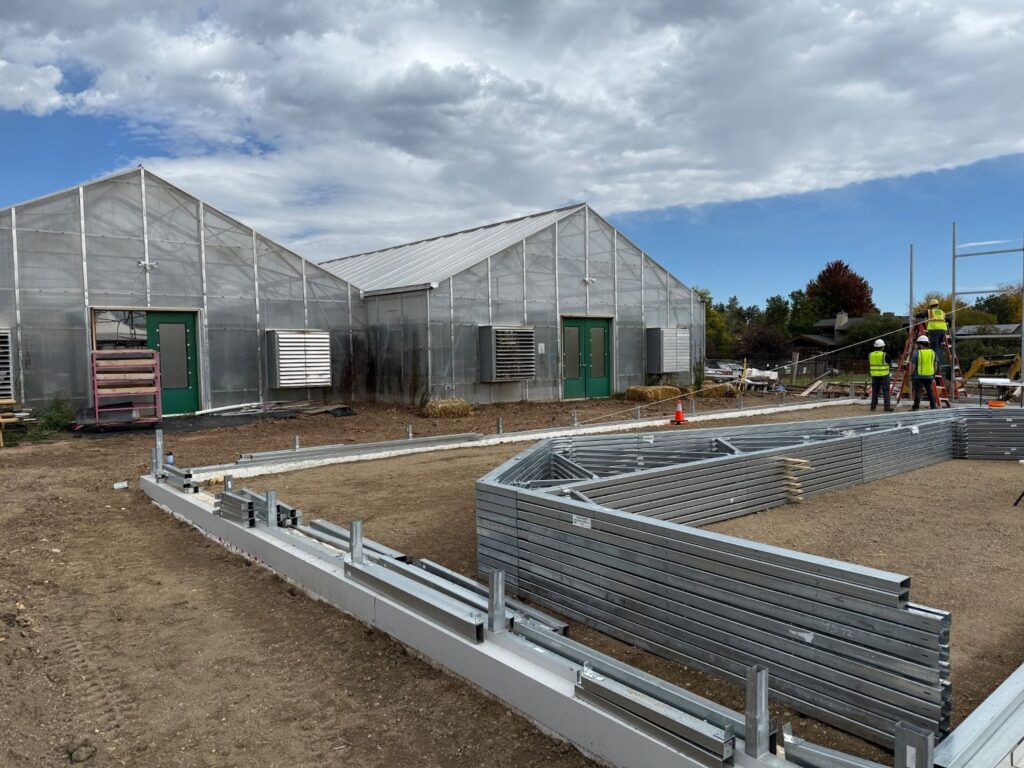
Questions Growers Should Ask Before Deciding to Retrofit or Rebuild
Before committing to a retrofit or a full rebuild, growers should take a step back and evaluate both their current greenhouse and their future production goals. Asking the right questions can help clarify whether targeted upgrades will be enough to improve performance or whether a new facility will provide better long-term value.
- Is the existing structure still in good condition?
- Can the greenhouse support modern systems and technology?
- Are energy costs affecting profitability?
- Are environmental conditions limiting crop performance?
- Have the crop requirements changed?
- Will future expansion be needed?
- What is the expected return on investment?
By carefully evaluating these questions, growers can make a more informed decision about whether upgrading their current greenhouse will meet their needs or whether rebuilding will provide a better foundation for the future.
Every greenhouse is different
There is no universal answer to whether a retrofit or new build is the better option because each greenhouse and operation is unique. The key is taking a thoughtful, strategic approach to evaluating your greenhouse and understanding what improvements will deliver the greatest value for your operation. This is where working with experienced greenhouse designers and engineers can make a difference.
At Ceres Greenhouse Solutions, we work closely with growers to evaluate their existing facilities, identify opportunities for improvement, and determine whether retrofitting or rebuilding will provide the best return on investment. Our team understands the complexities of greenhouse design, climate control, and energy efficiency, and we help growers develop solutions that align with their production goals and long-term vision. Whether that means upgrading key systems within an existing greenhouse or designing a new structure from the ground up, our goal is to help growers create facilities that perform efficiently, sustainably, and reliably for years to come.
Contact us to learn more.