by Josh Holleb
Vernalization and photoperiod are two environmental drivers that determine when many breeding crops flower. A research greenhouse can control both through a dedicated cold-exposure chamber and independently scheduled lighting or light deprivation in each zone based on plant requirements. This allows breeders to induce flowering on a timeline set by the research program rather than waiting on a natural growing season cycle.
What is Vernalization, and How Does it Affect Breeding Timelines?
Vernalization is the process by which sustained cold exposure prompts a plant to shift from vegetative growth to flowering. Crops with a vernalization requirement, such as sugarbeet, winter wheat, and many brassicas, will not flower or will flower inconsistently without it.
Under natural conditions, that cold exposure comes from winter. A biennial crop such as sugarbeet grows vegetatively in its first season, passes through winter, and flowers and sets seed in its second growing season. Each generation in a field-based program therefore follows the seasonal calendar. For sugarbeets, this full cycle usually takes around 18 months, starting from seed through harvesting new seeds from the plant.
A vernalization chamber provides the cold period indoors in a controlled environment, on a schedule the research team sets. Plants can move from vegetative growth to cold exposure to flowering without waiting for the season to change, which allows breeding programs to expedite the time between generations. Using the sugarbeet example from above, this process can be shortened from 18 months to 8 months with a well-designed facility, making the process up to 2.25x faster.
What Temperature and Duration are Required for Vernalization?
Vernalization requirements vary by species and variety. Most protocols hold plants at a cool, stable temperature above freezing for a period ranging from several weeks to several months. The breeding team defines the exact temperature and duration based on the crop type, variety, and the goals of the program.
Because these requirements differ between crops, a vernalization chamber is designed around the specific protocols the research team plans to run. That includes the lowest and highest set points the chamber needs to hold, the length of each cold cycle, and how many plants will be in each vernalization chamber per cycle.
How is a Vernalization Chamber Designed and Engineered?
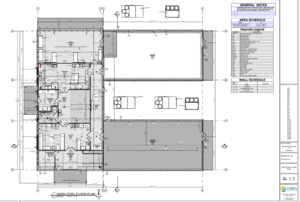
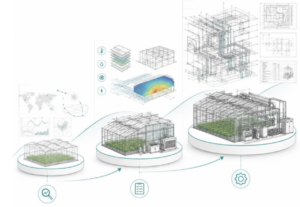
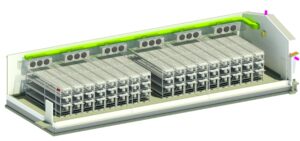
A vernalization chamber is engineered as an independently controlled zone that holds a stable cold set point, keeps conditions uniform across every plant in the space, and records verified environmental data for each cycle. At Ceres, we start by designing the envelope, typically with insulated metal panels because they perform well in refrigerated zones. We then model the space against the exterior climate, the building envelope, and the internal environmental requirements so we can correctly specify and size the HVAC equipment, airflow, and lighting.
Temperature Stability and Uniformity
Reproducible results depend on holding the chamber at its set point for the full cold period. Temperature stability over time and uniformity across the chamber both affect how consistently plants respond. Refrigeration capacity, air distribution, and insulation are all factors in how the chamber holds its set point during door openings and changes in outdoor conditions.
Humidity and Airflow
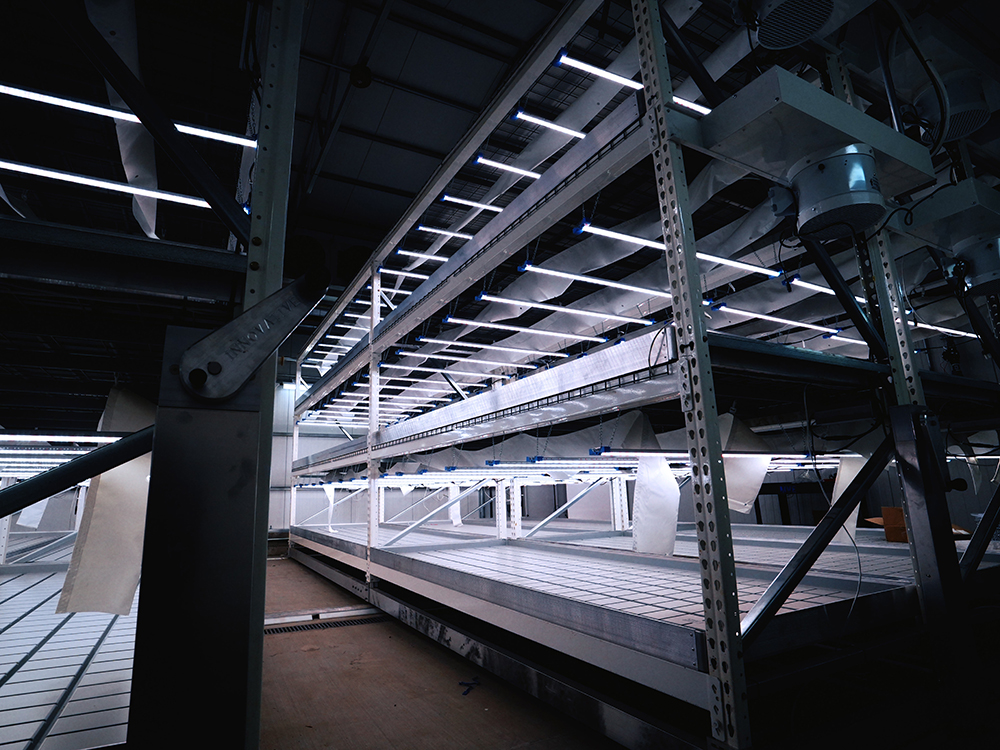
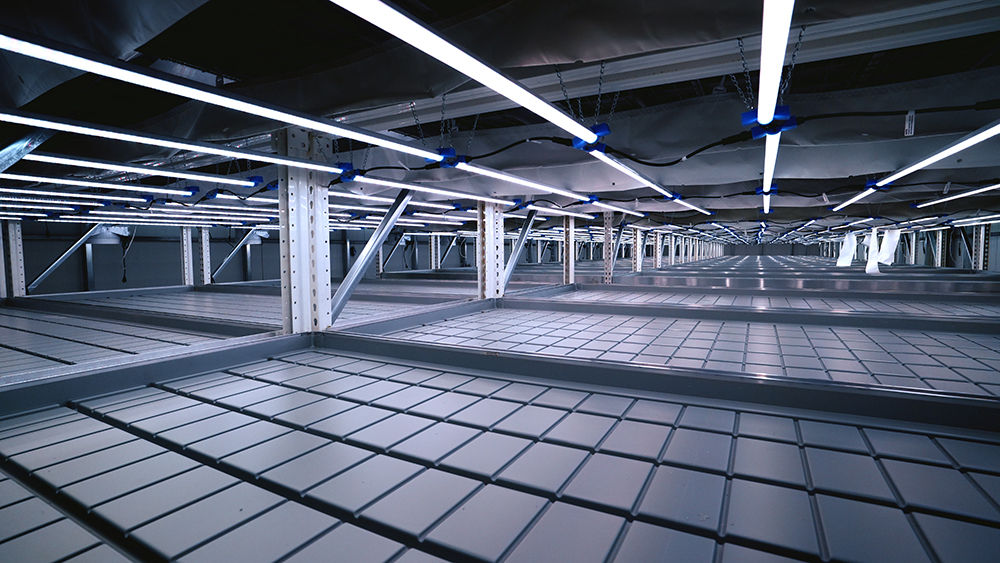
Cold, enclosed spaces can create high relative humidity, which can support fungal growth on plants held for long periods. Airflow across the plant canopy and humidity control within the chamber help keep conditions consistent and limit moisture on leaf surfaces. Air movement is designed to reach every bench position without creating drafts that cool some plants faster than others. In this image, every tier of every bench has lighting as well as fabric ducting for lighting and airflow consistency across all levels of the vernalization space.
Lighting During Cold Exposure
Many vernalization protocols include low light levels during the cold period to keep plants healthy over several weeks or months. Where required, the chamber includes its own lighting on an independent schedule, selected to limit the heat added to the space.
Sensors, Calibration, and Verified Set Points
Temperature readings from a single sensor at the return air point of the HVAC system may not reflect conditions at plant level in every part of the chamber. Distributed sensors at canopy height at different levels of racking (if applicable) give researchers a record of the conditions each plant experienced. A defined calibration schedule and alarm thresholds for set-point deviation are included in the design so the data from each cycle can be verified and compared with earlier cycles.
Isolation From Other Zones
A vernalization chamber holds conditions that differ from every other space in a breeding facility. It runs on its own climate control schedule and equipment so the set points are not affected by the demands of any other part of the research facility.
Construction Compared to a Standard Research Greenhouse
A vernalization chamber is often built as an insulated, enclosed room rather than a glazed greenhouse compartment, since it does not rely on sunlight and needs to limit heat gain. The design priorities are insulation, refrigeration capacity, air distribution, and monitoring.
How Does Photoperiod Control Work Alongside Vernalization?
Vernalization and photoperiod are two separate signals, and many crops need both before they flower. Vernalization is a long period of cold that makes a plant capable of flowering. Photoperiod, the number of hours of light a plant gets each day, is often what initiates flowering. Until a plant has been vernalized, the right day length may have little effect on it. Once vernalization is complete, the plant responds to day length and flowers when its photoperiod requirement is met.
Sugarbeet is a good example. It’s a biennial, so it needs weeks of cold before it can bolt and flower. It also needs long days afterward to actually flower. In a research facility, growers can manage the two signals separately: chilling handles vernalization, and supplemental lighting or blackout systems control day length. This provides control over flowering much more precisely and quickly than what would happen outside in the field.
Independent Light Schedules
Photoperiod is controlled through a combination of sunlight (in a greenhouse) plus supplemental lighting to extend day length and blackout systems to shorten it. Each zone runs its own lighting schedule, so plants moving out of a vernalization chamber can go directly into a zone set to the day length their flowering stage requires.
Light Pollution Between Zones
In a multi-zone facility, light from one compartment can reach an adjacent compartment at night. For photoperiod-sensitive crops, even low levels of stray light can affect flowering response. Blackout systems, opaque partition materials, and the placement of supplemental lighting are designed so each zone receives only the light its schedule calls for.
Schedules by Crop and Trial Line
Different crops and breeding lines often need different day lengths at the same stage of development. Independent control of each zone’s lighting allows these schedules to run side by side.
Can One Facility Run Multiple Generation-Advancement Schedules at Once?
Yes. A facility with independently controlled vernalization and photoperiod zones can run separate cold-exposure and day-length schedules at the same time, each assigned to a different crop or breeding line.
For example, one group of plants can be partway through a cold cycle in the vernalization chamber while a second group moves through a long-day flowering zone and a third remains in vegetative growth under short days. Each zone holds its own set points and lighting schedule, so a breeding program can stagger generations across several lines without scheduling them around a single shared environment.
Breeding facilities often combine these zones with seedling production and disease trial compartments on the same site.
To learn how those functions are separated, see our article on Multi-Function Breeding Facility Design.
Vernalization Chamber Design for KWS Sugarbeet
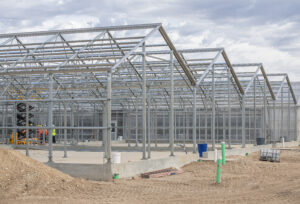
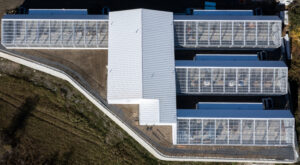
KWS Seeds expanded its sugarbeet breeding and research station in Kimberly, Idaho, with a new research greenhouse facility. Ceres Greenhouse Solutions designed, engineered, and equipped the facility, working with general contractor Starr Corporation.
Sugarbeet is a biennial crop that requires a sustained cold period before it transitions to flowering and seed production. Ceres designed a dedicated vernalization chamber that simulates this winter dormancy period under controlled conditions. KWS researchers can induce flowering on a scheduled, repeatable timeline rather than waiting on the natural seasons.
The facility’s four independent plant zones regulate temperature and humidity to defined set points, reduce nighttime light pollution, and adjust direct sunlight exposure. All zones are managed from a single dashboard.
Read the full KWS sugarbeet research greenhouse case study.
Speak with a Ceres Engineer
Ceres designs research greenhouses with vernalization chambers, photoperiod control, and independently managed zones for breeding programs.
Speak with Ceres about your breeding program.
Learn more about how to design a greenhouse for plant research