× Send

Aquaponic Greenhouses

Aquaponics combines fish production and crop cultivation into a highly efficient growing system. While the aquaponics equipment itself is critical, greenhouse design often determines whether a system thrives year-round or struggles with temperature fluctuations, humidity challenges, and high energy costs.

At Ceres, we design and build energy-efficient greenhouses specifically suited for aquaponic operations. We work closely with leading aquaponics providers, including The Aquaponic Source, to integrate greenhouse structures with proven aquaponic systems.

Whether you’re developing a commercial farm, educational facility, research project, or community food production program, our greenhouse designs create the environmental conditions needed for successful aquaponic production.

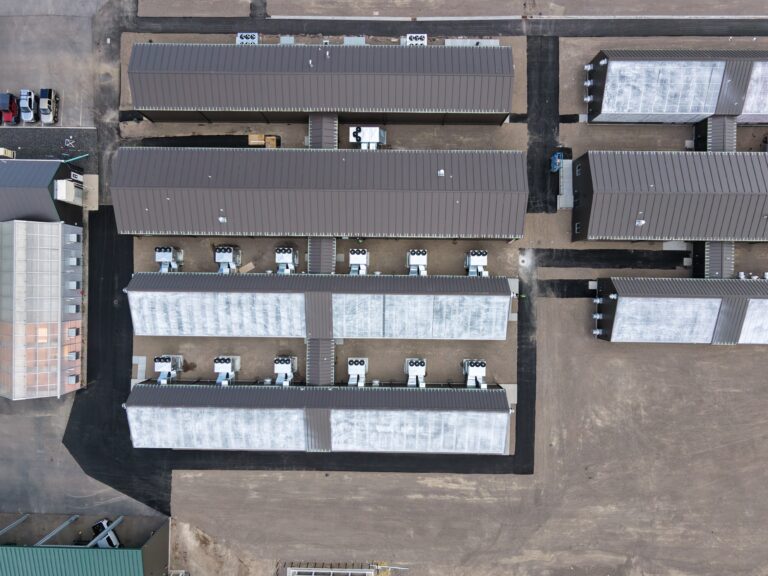
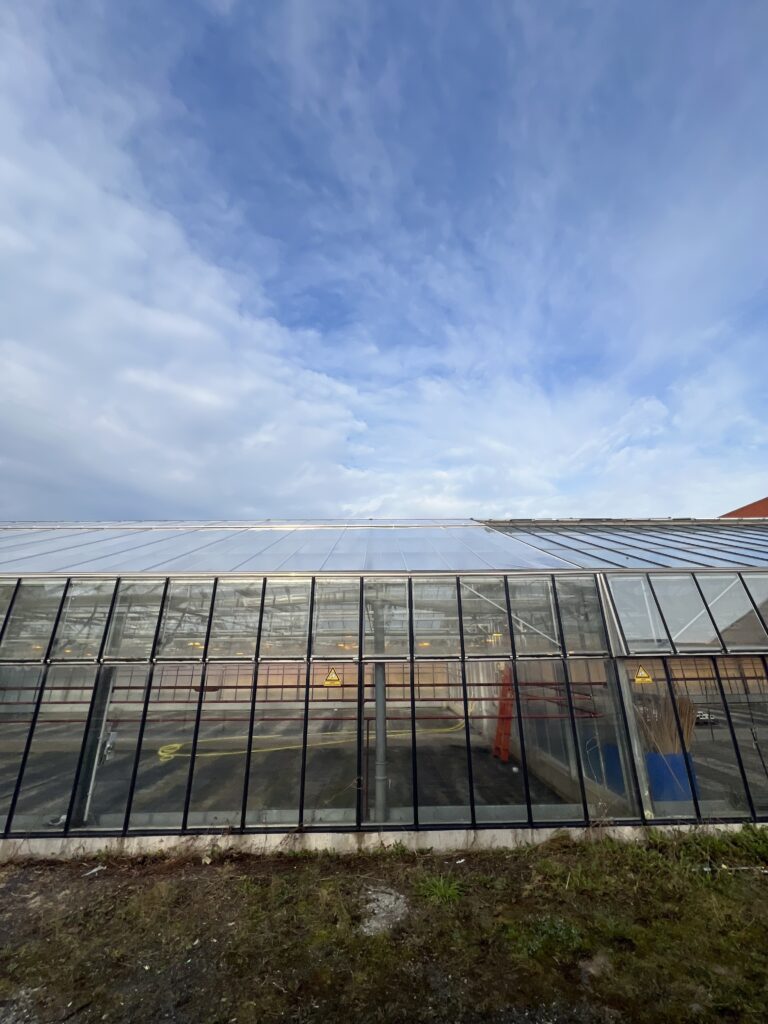
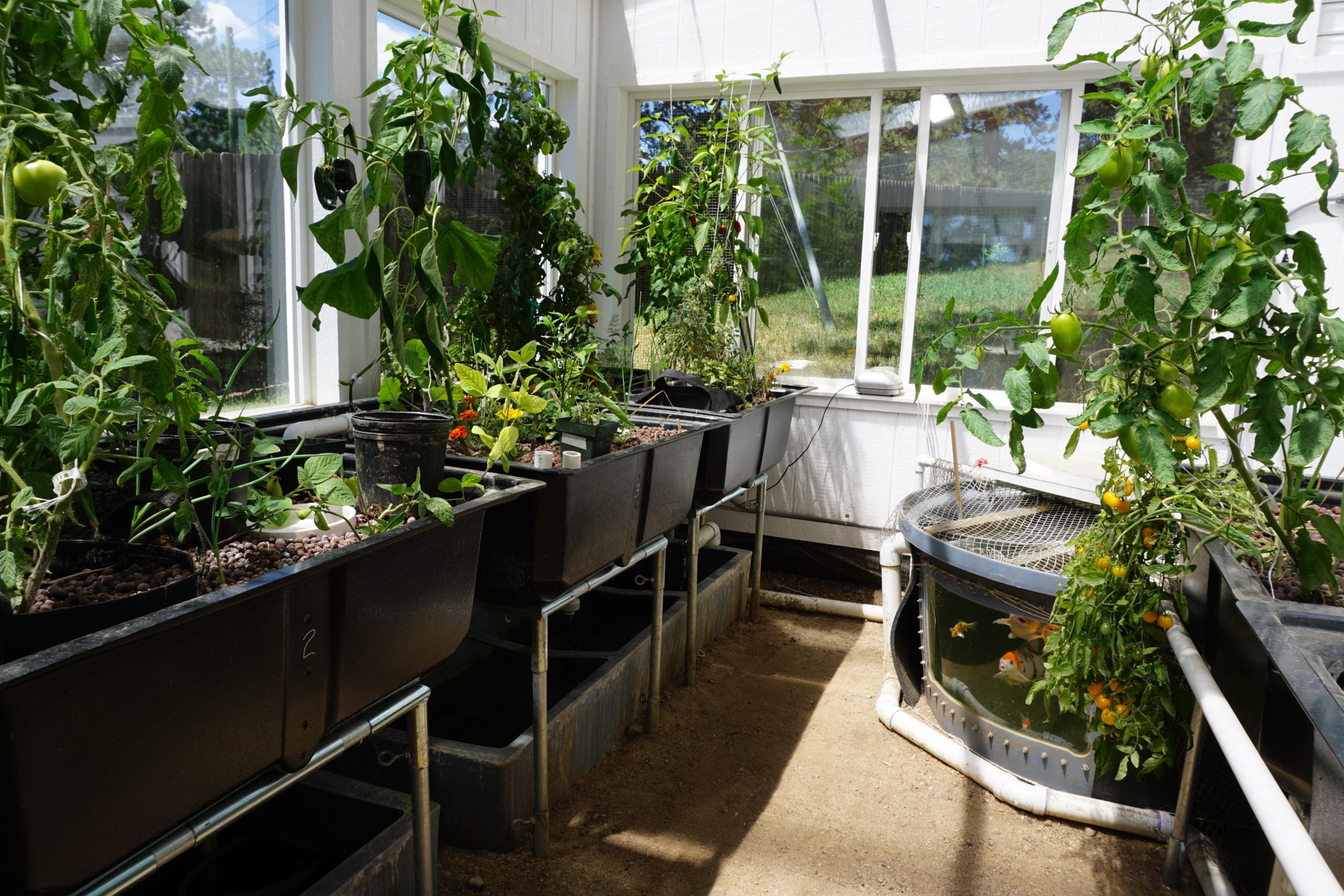
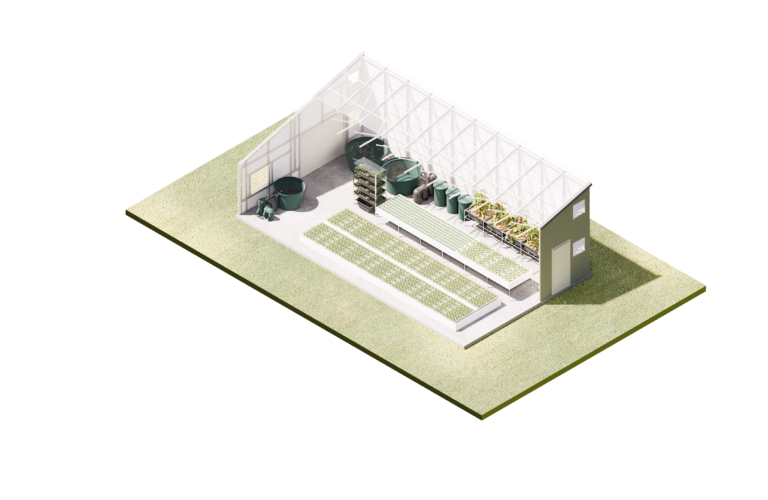
aquaponics greenhouse
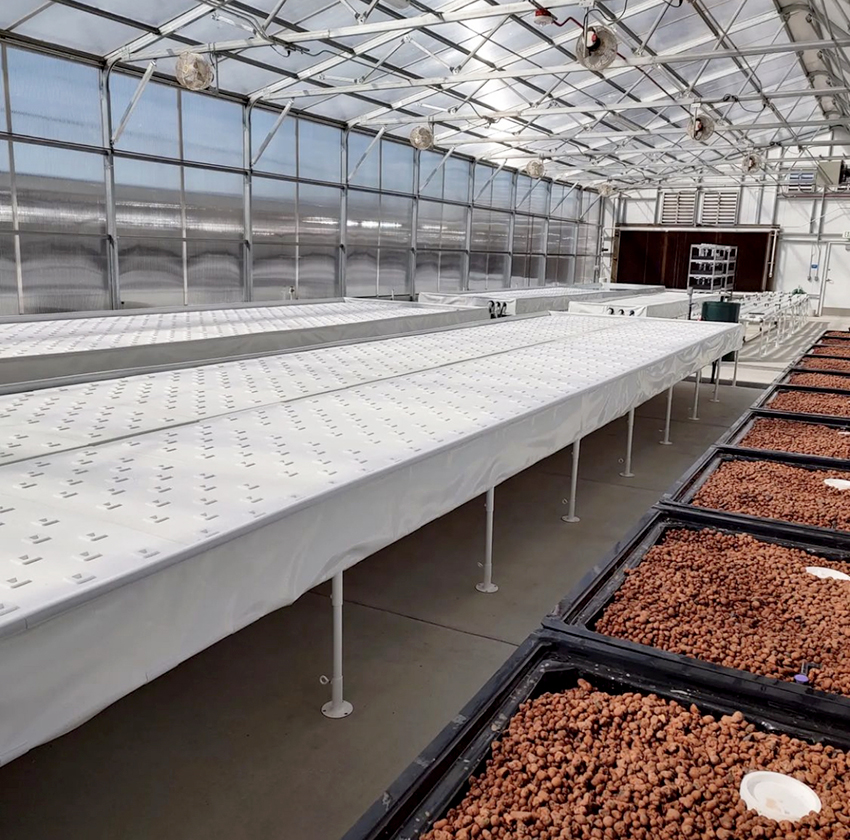
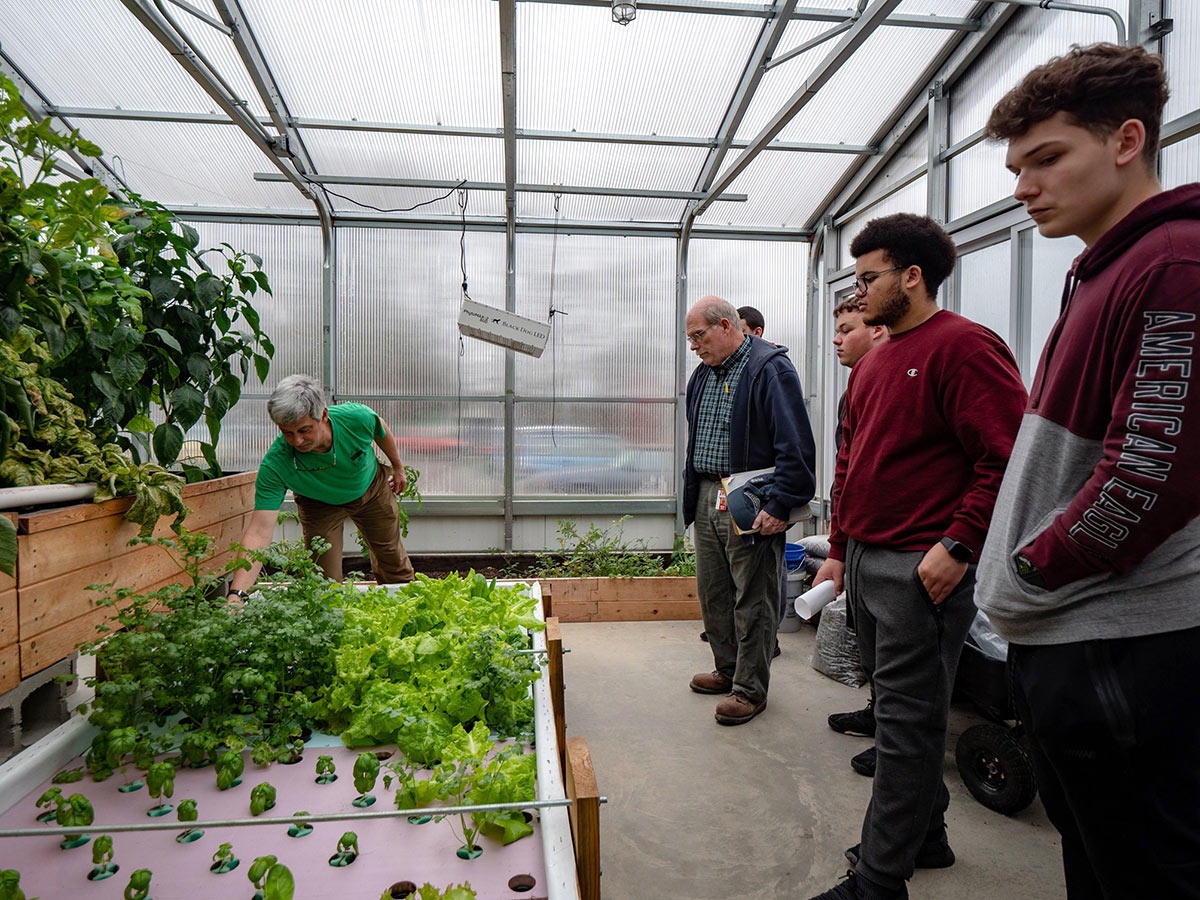
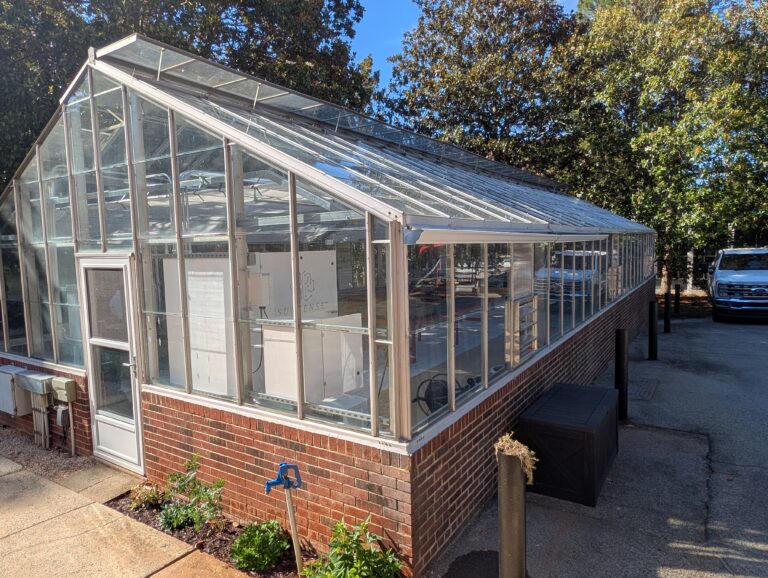
helios- inside educational greenhouse

What is an Aquaponic Greenhouse?

An aquaponic greenhouse combines controlled-environment agriculture with a recirculating aquaponics system.

In an aquaponics system:

  • Fish produce nutrient-rich waste.
  • Beneficial bacteria convert that waste into plant nutrients.
  • Plants absorb those nutrients and help clean the water.
  • The water is returned to the fish tanks and reused.

A well-designed greenhouse creates the stable growing environment that aquaponic systems need to succeed year-round. By combining aquaponics with controlled-environment agriculture, growers can extend growing seasons, conserve water, improve crop consistency, protect fish and plants from harsh weather conditions, and maximize annual productivity.

Why Greenhouse Design Matters for Aquaponics​

Unlike traditional crop production, aquaponic operations must maintain suitable conditions for both plants and aquatic life. Temperature swings, excessive humidity, and poor ventilation can affect fish health, plant growth, and overall system performance.

Key greenhouse design considerations include:

Energy Efficiency

Heating costs can be one of the largest operating expenses in cold climates. Energy-efficient greenhouse design can dramatically reduce annual operating costs.

Temperature & Humidity Management

Greenhouse environments must carefully manage both temperature and humidity. Stable temperatures support fish health and plant growth, while proper ventilation and environmental controls help prevent condensation, reduce disease pressure, and improve overall system performance.


Year-Round Production

A properly designed greenhouse allows aquaponic systems to remain productive through seasonal weather changes.

Aquaponics vs. Hydroponics

While both systems grow plants without soil, there are important differences.

Both systems benefit from greenhouse environments that support stable temperatures and environmental control.

Aquaponics vs Hydroponics
Aquaponics Hydroponics
Uses fish to generate nutrients Uses manufactured nutrient solutions
Creates a living ecosystem More controlled nutrient management
Produces plants and fish Produces plants only
Requires fish management Simpler operational requirements
Can reduce fertilizer inputs Requires ongoing nutrient additions

Greenhouse Models for Aquaponics

Residential Aquaponics

For homeowners and hobby growers looking to produce fresh food year-round, we design greenhouses that integrate seamlessly with residential aquaponics systems while maximizing energy efficiency and ease of operation.

Educational and Community Projects

Schools, universities, nonprofit organizations, and community groups use aquaponics as a powerful tool for education, food production, and sustainability initiatives. Our greenhouse designs create engaging learning environments while supporting reliable system performance.

Commercial Aquaponics Operations

Commercial growers require greenhouse environments that support efficient workflows, consistent production, and long-term profitability. We work with producers to design facilities that accommodate fish tanks, filtration systems, grow beds, harvesting processes, and future expansion plans.

Whether you’re building a backyard greenhouse or a commercial food production facility, our team develops greenhouse solutions tailored to your climate, production goals, and operational needs.

Working with The Aquaponic Source

Ceres Greenhouse Solutions partners with The Aquaponic Source, one of the industry’s leading providers of aquaponics systems and expertise.

Together, we help clients develop integrated solutions that combine:

  • Proven aquaponics equipment
  • Energy-efficient greenhouse design
  • Climate control systems
  • Project planning and implementation support

This collaborative approach allows clients to benefit from specialized expertise in both greenhouse design and aquaponic production.

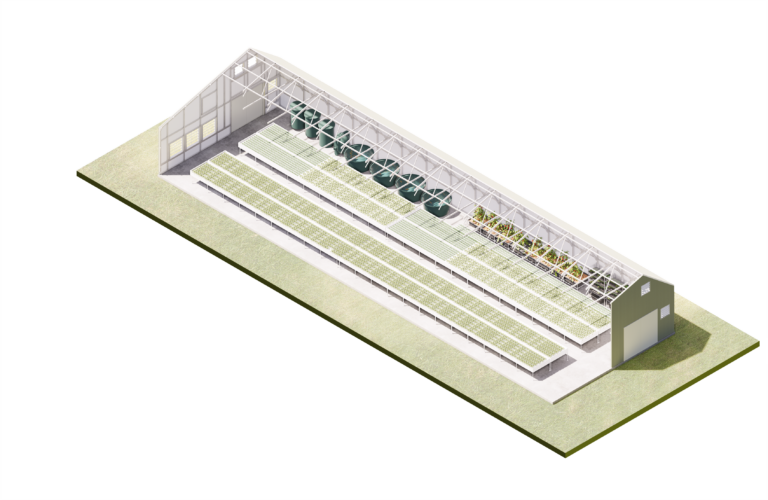
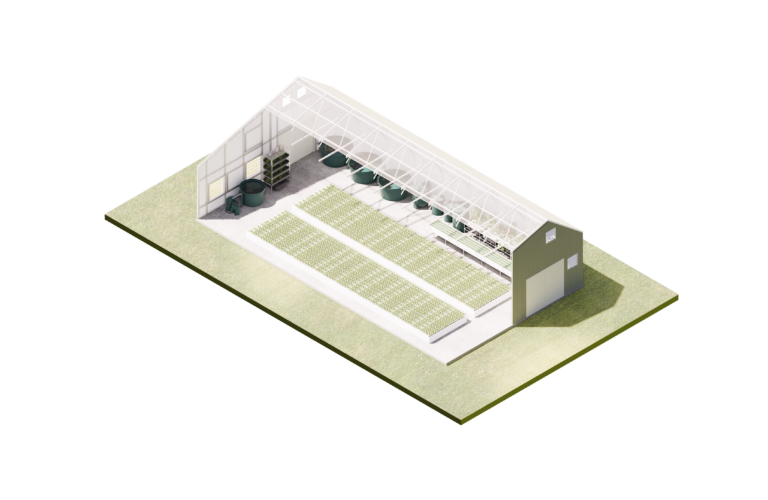
Standard Aquaponic Greenhouse Sizes

Access Greenhouse Related Brochures

Get detailed specs, design options and more inside
greenhouse catalog cover

By clicking the button above, you agree to receive emails from Ceresgs.com. Unsubscribe at any time.

Check Out Our Past Projects

Aquaponic Greenhouse Technology

Aquaponics FAQs

For backyard gardeners (under 1,000 sq. ft.), we recommend using our BackYard Kit or our Residential Greenhouse Plans and purchasing an aquaponics kit, such as those available from The Aquaponics Source™ 

For aquaponics greenhouse over 1,000 sq. ft., our HighYield™ Kit Greenhouses provide simple, cost-effective installation and durable structures for both systems. These can be combined with a pre-designed system, or a system you design and construct.

We are always here to help in the design and greenhouse selection process. Please get in touch with more about the best fit for your situation.

Aquaponics and hydroponics are both methods of growing plants without soil. They both provide popular and powerful means for producing vegetables and fruits and can be the right choice for specific residential and commercial applications. 

For those looking to incorporate a closed loop system of growing, then aquaponics might be a better option.

Hydroponics, while simpler to manage and operate, requires the continuous purchase of outside nutrients.

Contact us to learn more about which system might be a better option for your greenhouse operation.

No. Ceres specializes in greenhouse design and construction. We work with trusted partners such as The Aquaponic Source to integrate aquaponics systems into greenhouse projects.

The ideal size depends on production goals, available land, budget, and system requirements. Our team can help evaluate the best fit for your project.

Yes. With proper greenhouse design and environmental controls, aquaponics can be successful in cold and variable climates.

Costs vary based on greenhouse size, climate requirements, equipment integration, and project goals. Contact our team for a project consultation.

Not always, but many aquaponic systems benefit from greenhouse designs that account for fish tanks, filtration equipment, humidity management, and year-round climate control.

Start Planning Your Aquaponics Greenhouse

Whether you’re developing a commercial farm, educational facility, or community food project, Ceres can help create a greenhouse environment optimized for aquaponics success.

→Request a consultation with our greenhouse design team today.

Calculate Your Energy Savings

Find out how much you can save with Ceres Greenhouses compared to other greenhouses.

Calculate Your Energy Savings Image

Tell Us About Your Project