× Send

Educational Greenhouses for Schools, Universities & STEM Programs

Educational greenhouses create immersive, hands-on environments where students can explore sustainability, food systems, biology, engineering, environmental science, and controlled environment agriculture year-round. Ceres educational greenhouse systems are designed to support STEM curriculum integration, campus sustainability initiatives, research programs, school nutrition programs, and experiential learning opportunities in every climate.

Whether you’re planning a K–12 greenhouse classroom, a university research greenhouse, or a community education growing space, we provide energy-efficient greenhouse systems engineered for long-term educational impact.

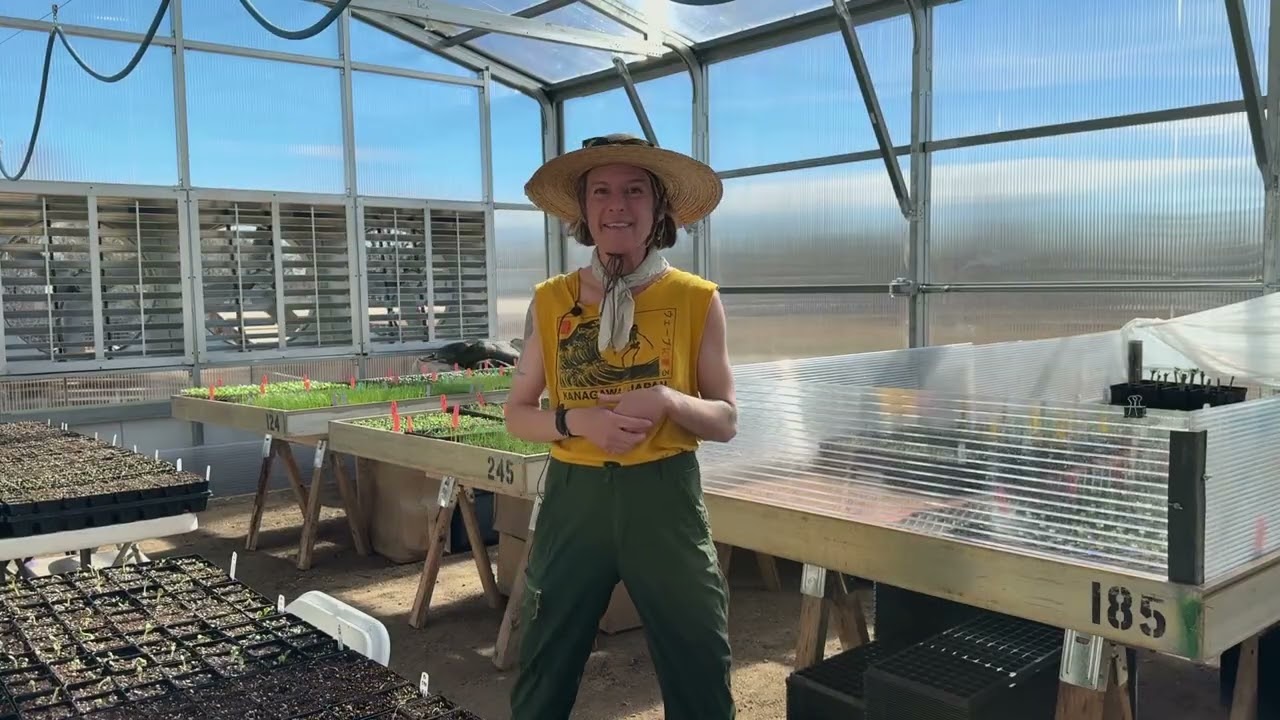
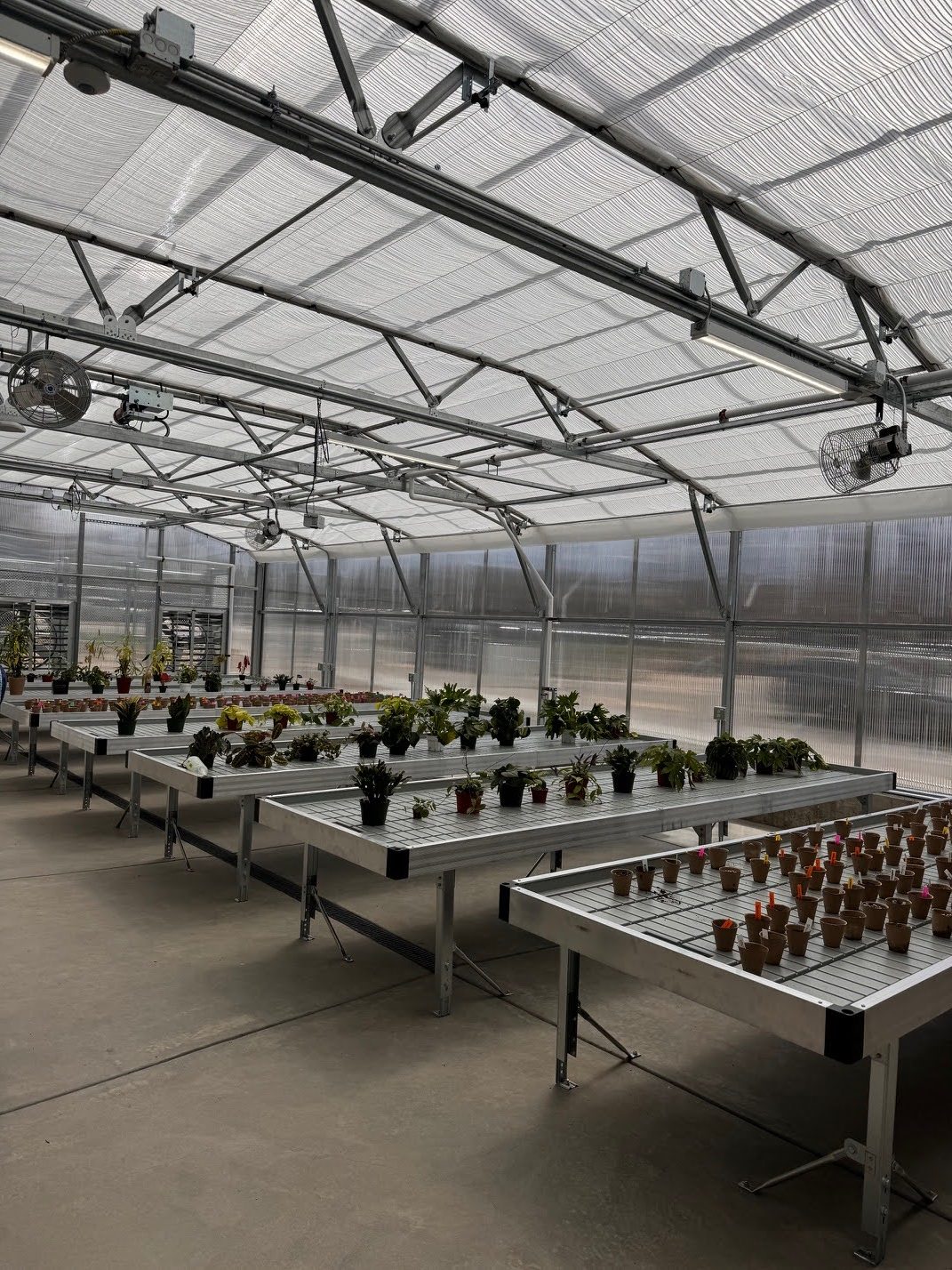
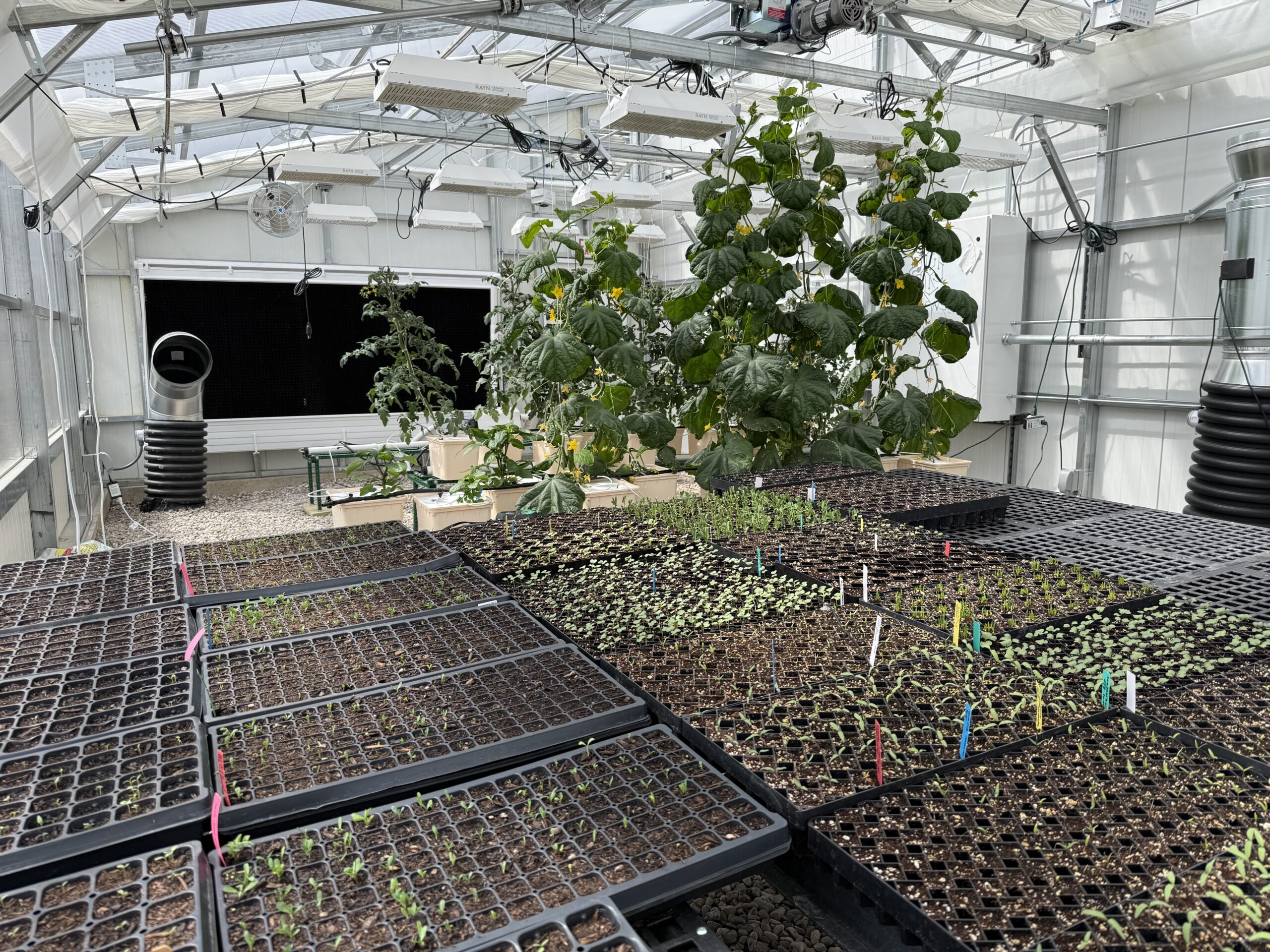
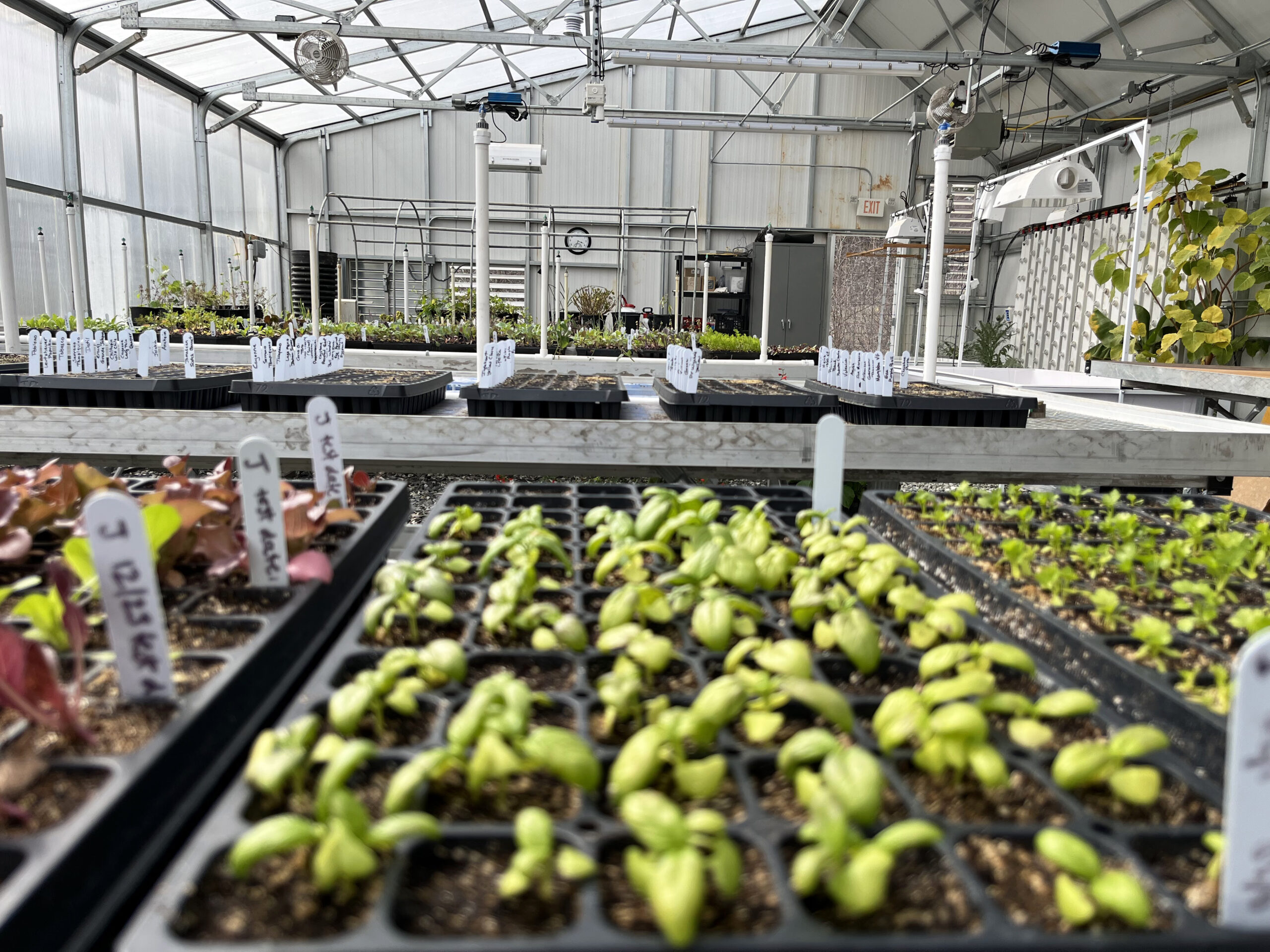
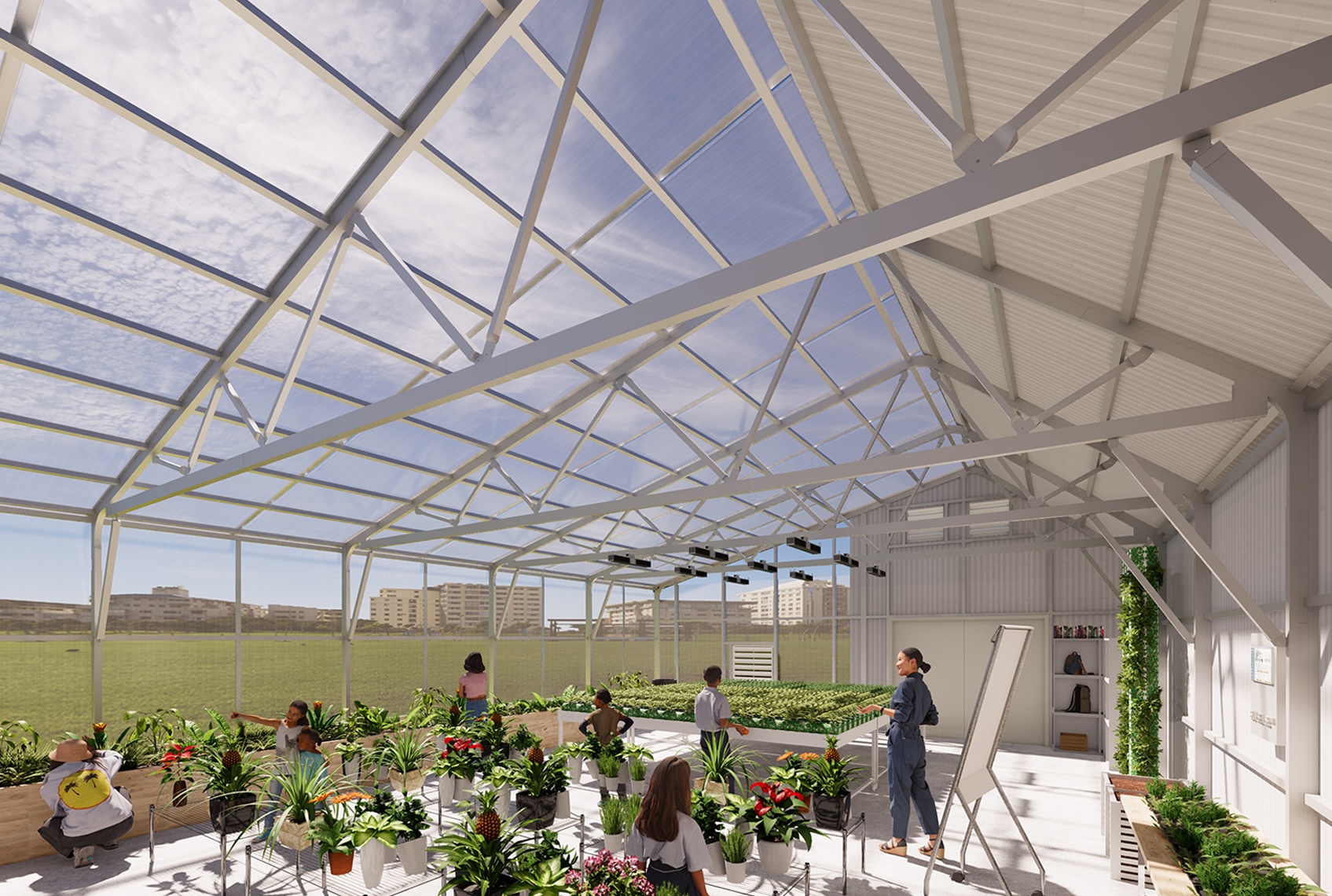
inside an educational greenhouse
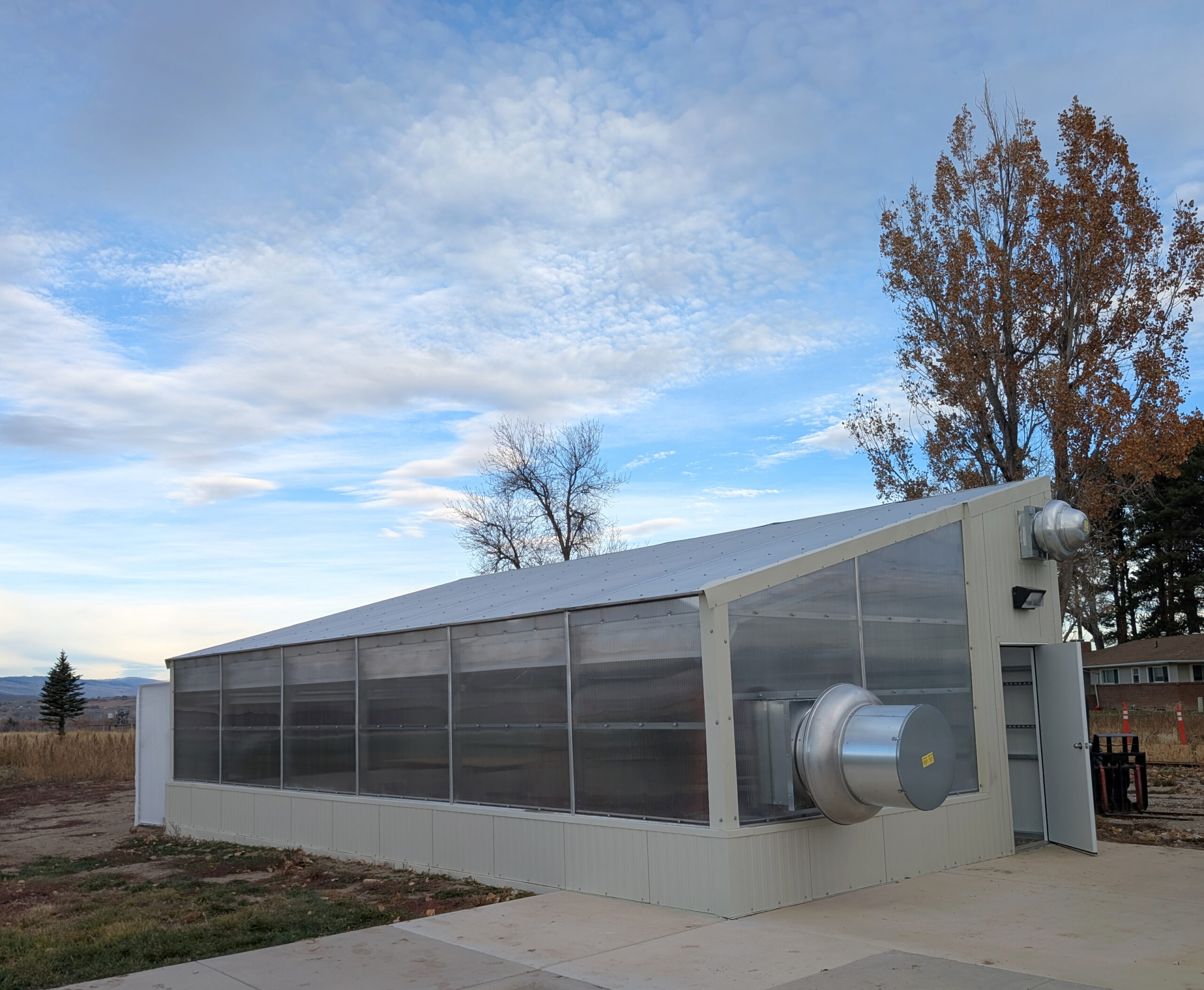
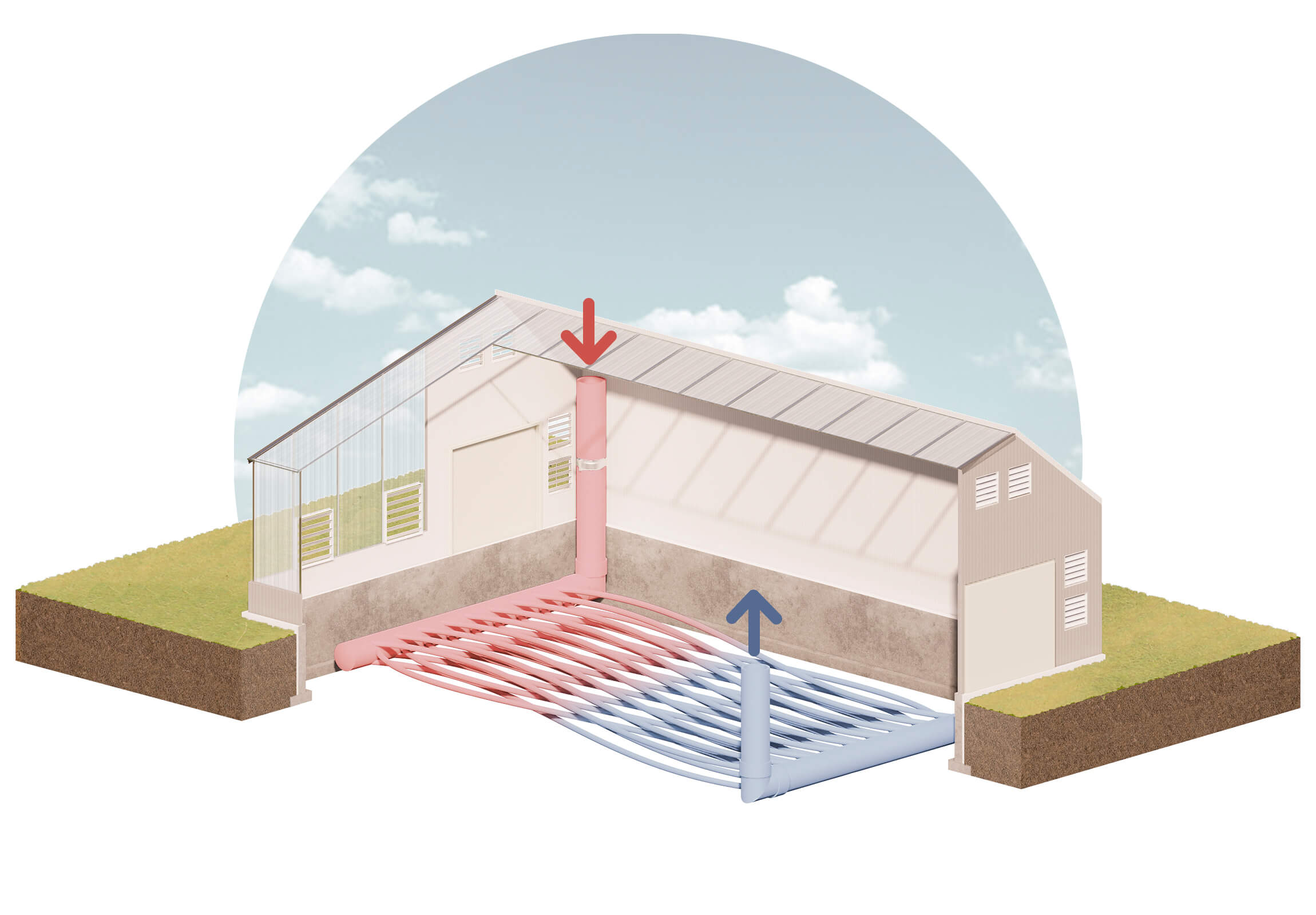
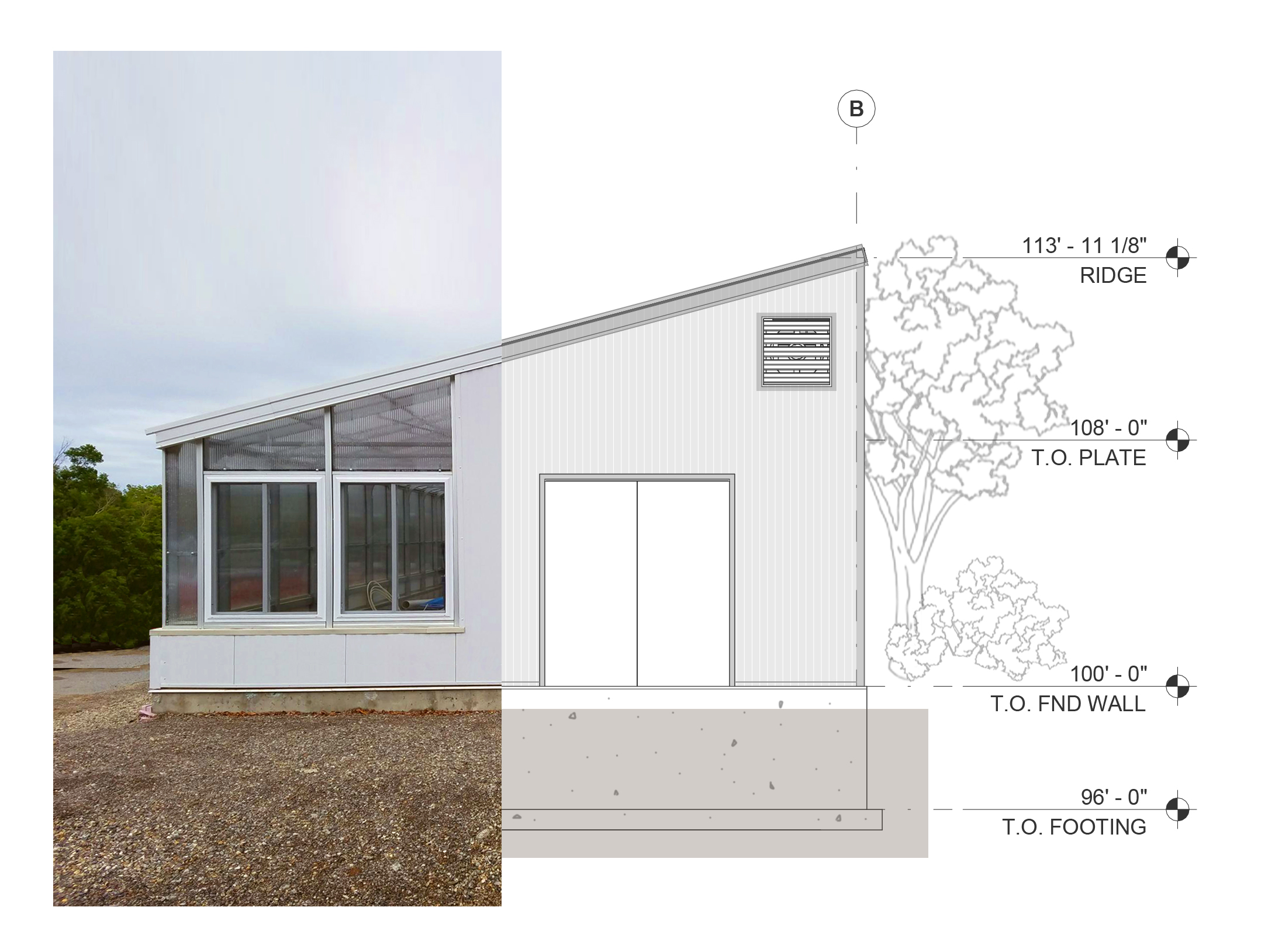
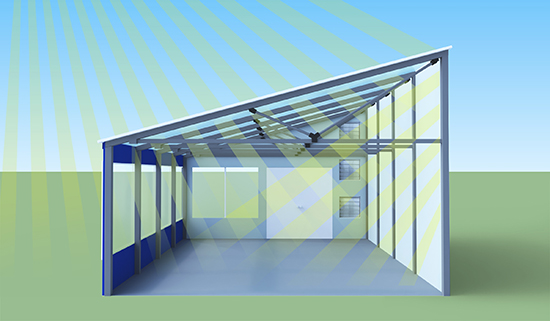
Educational Greenhouse Section
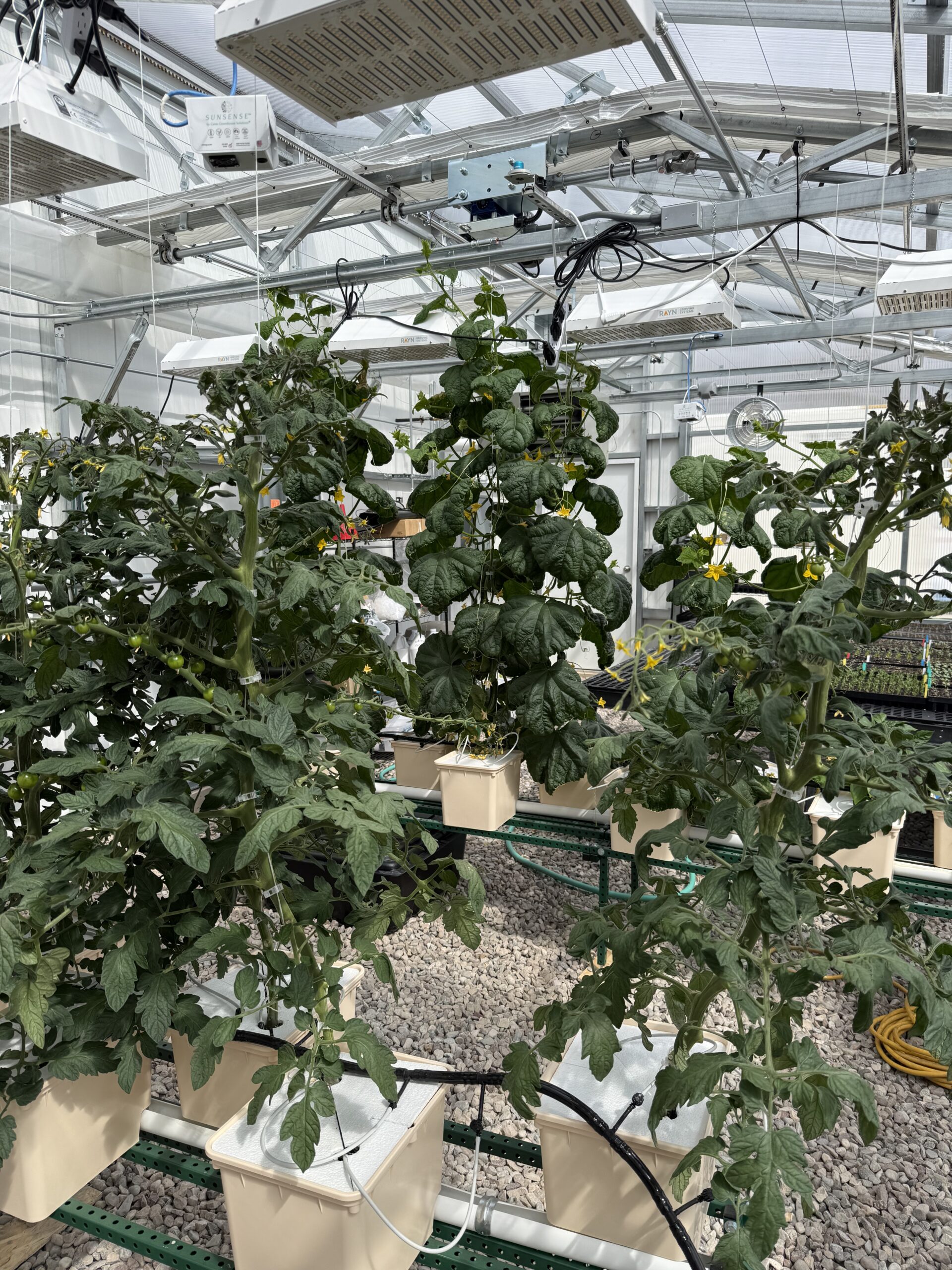
Educational greenhouse integrating climate change and agriculture concepts

Why Schools Invest in Educational Greenhouses

Educational greenhouses are becoming essential infrastructure for schools, universities, and community organizations seeking hands-on learning environments that connect students to science, sustainability, and food systems.

Educational Benefits of School Greenhouses

01

STEM & STEAM Learning

  • Biology
  • Environmental science
  • Chemistry
  • Engineering
  • Climate science
  • Data collection
  • Renewable energy education
  • Agricultural technology
02

Sustainability Education

  • Water conservation
  • Renewable energy systems
  • Regenerative agriculture
  • Food production systems
  • Climate-responsive growing
  • Resource efficiency
03

Career & Workforce Development

  • Horticulture
  • Controlled Environment Agriculture
  • Sustainable agriculture
  • Agritech
  • Environmental science
  • Food systems management
04

School Nutrition & Food Programs

  • Cafeteria programs
  • Farm-to-school initiatives
  • Culinary arts programs
  • Community food access projects

Educational Greenhouses by Program Type

K–12 School Greenhouses

School greenhouse classrooms help younger students develop:

  • Scientific observation skills
  • Environmental awareness
  • Food literacy
  • Interdisciplinary and collaborative learning experiences

Elementary and middle school greenhouse programs are especially effective for hands-on STEM education and interdisciplinary learning.

High School Agriculture & STEM Programs

High School greenhouses can be used to support:

  • Agricultural science
  • Learning growing systems (i.e., hydroponics, aquaponics)
  • Sustainable food systems
  • Nutrition & health sciences
  • Controls & automation operations

Students gain practical experience with modern greenhouse technology, climate controls, crop planning, and sustainable growing systems. 

University & Research Greenhouses

Universities and colleges use educational greenhouses for:

  • Plant science research
  • Controlled environment agriculture (CEA) research
  • Sustainability initiatives
  • Food systems education
  • Research partnerships
  • Production 
  • Agriculture business development

Ceres greenhouse systems can support instructional, research, and production applications with advanced climate control capabilities

Educational Greenhouse Design Considerations

Educational Greenhouse Design Considerations

Planning a school greenhouse requires balancing educational goals, operational needs, and long-term sustainability.

01

Student Safety & Accessibility

  • ADA accessibility
  • Safe circulation
  • Group instruction
  • Observation areas
  • Flexible teaching spaces
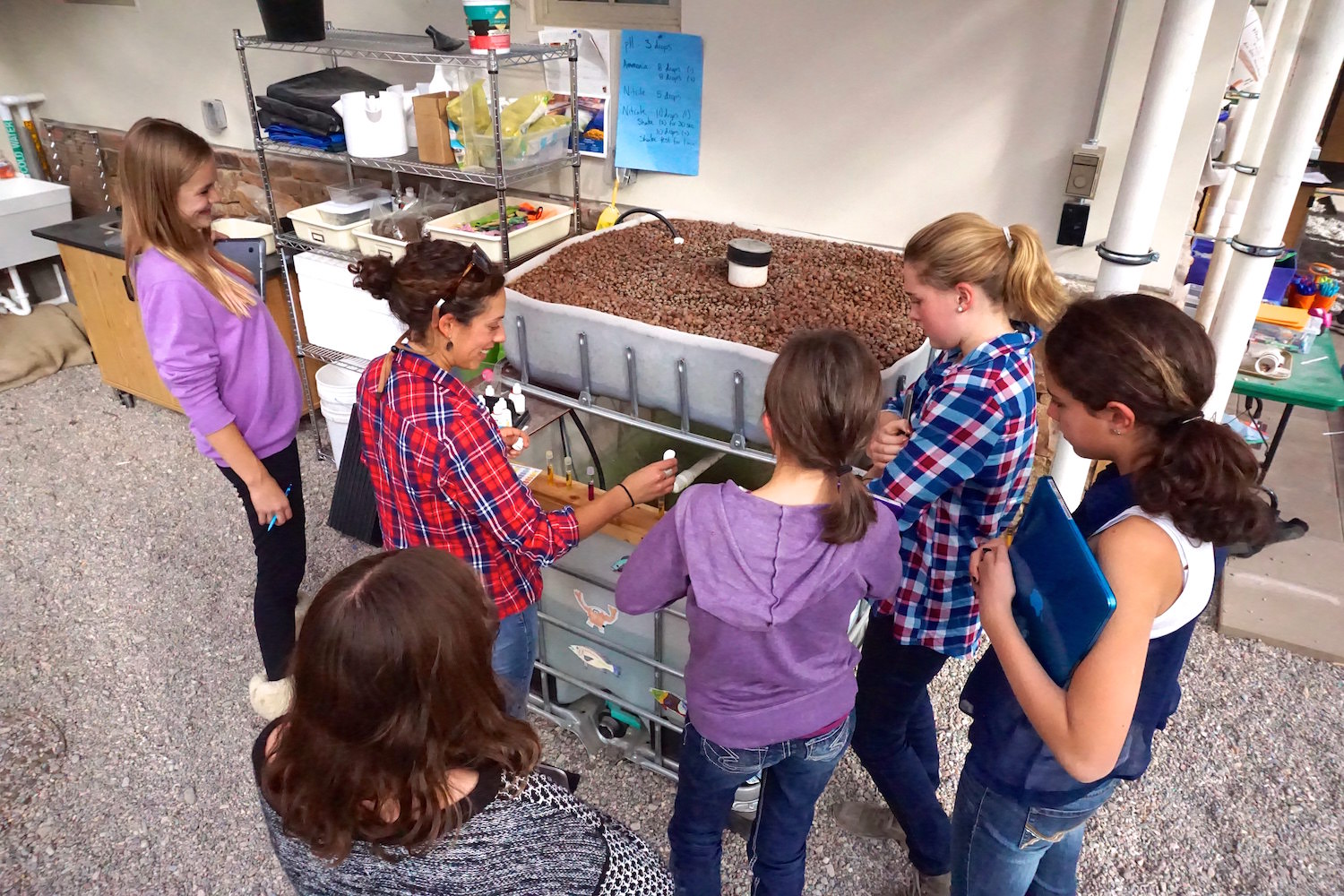
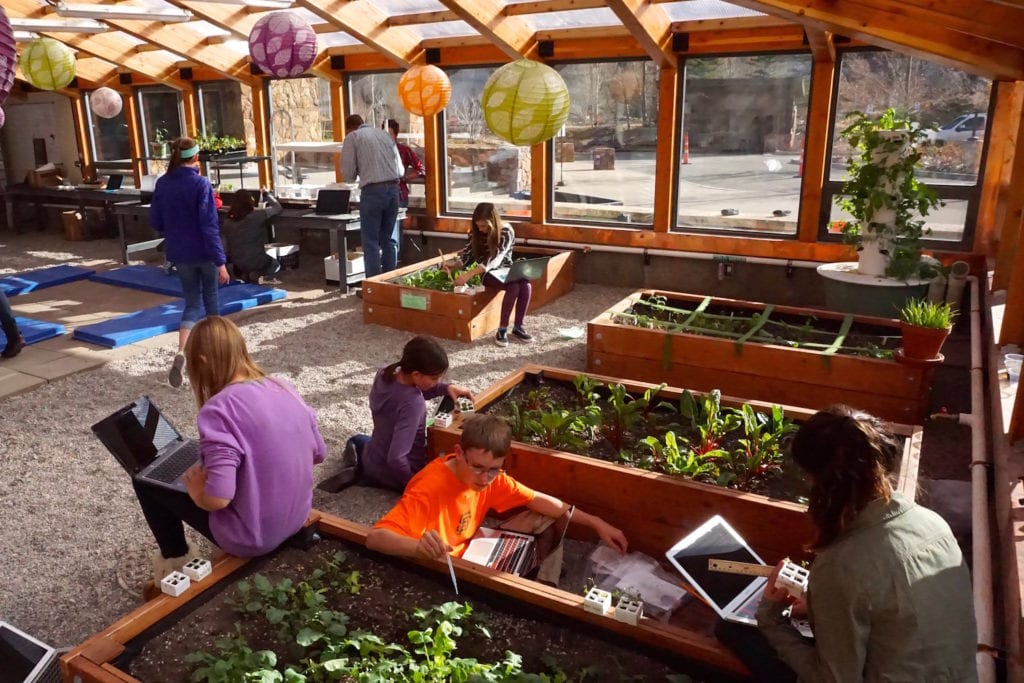
Students learning hands-on with aquaponics system
Hands-On Learning Environment
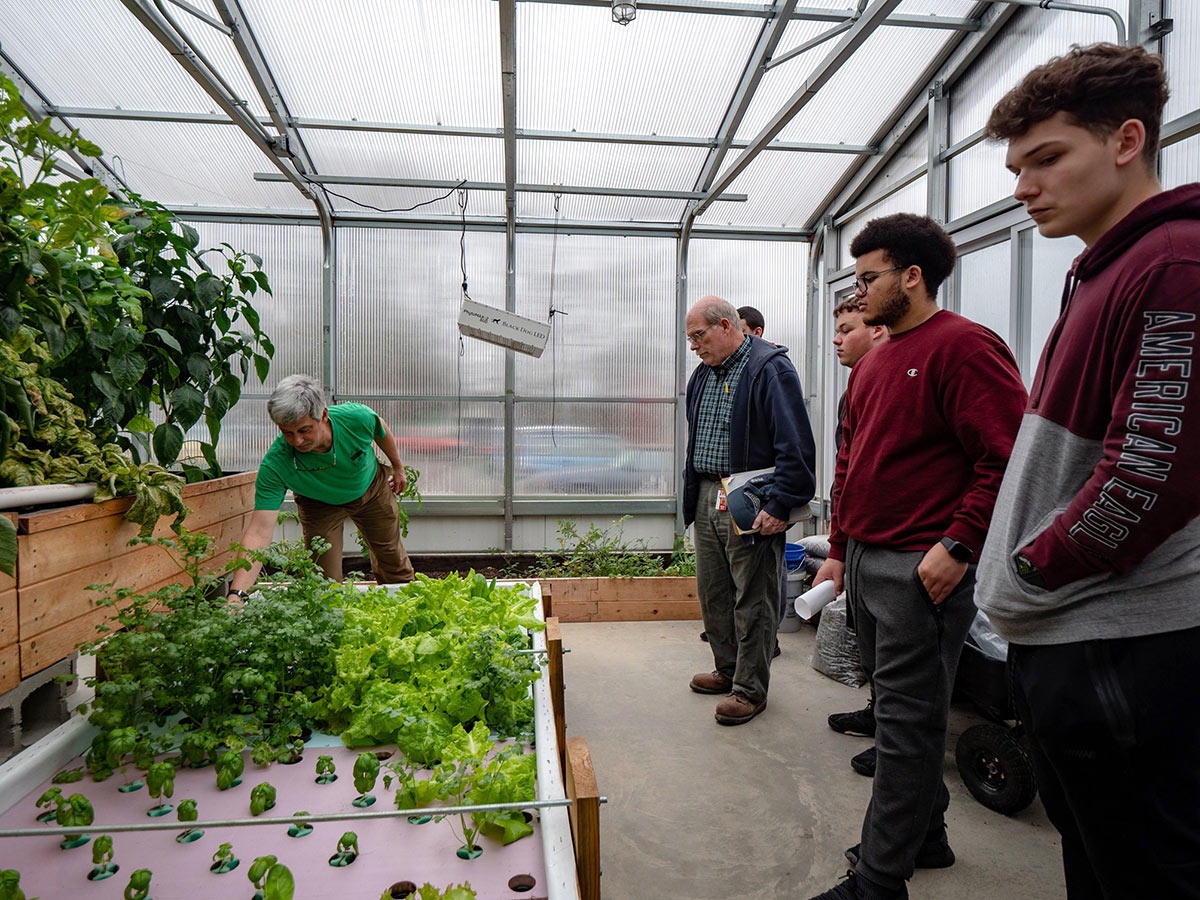
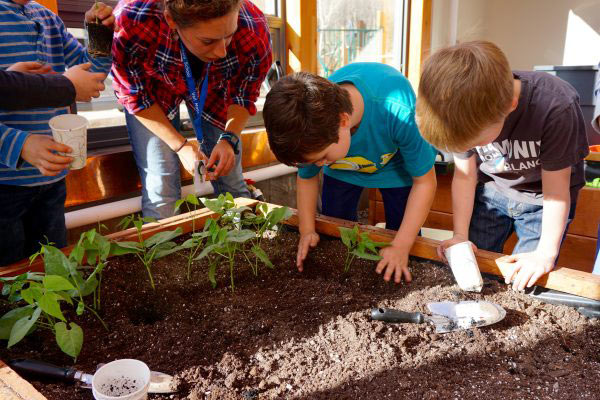
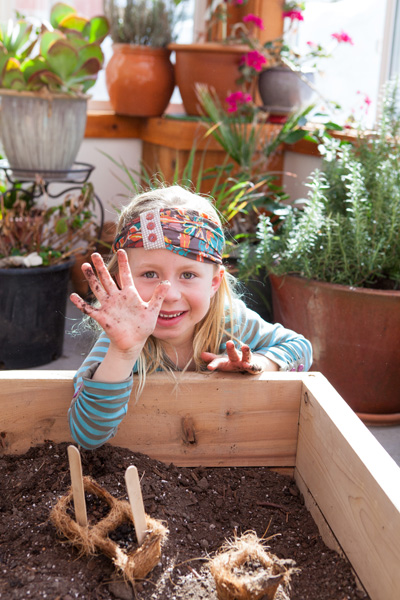
Students observing crops with instructor inside school greenhouse
Curriculum-Integrated Greenhouse Program
02

Curriculum Integration

  • The sciences
  • Engineering & mathematics
  • Nutrition & culinary arts
  • Business & entrepreneurship
03

Operational Sustainability

Successful educational greenhouse programs require thoughtful operational planning to support long-term success. Every school or institution has unique goals, staffing structures, campus resources, and regulatory requirements that should be evaluated early in the planning process.

  • Staffing and program oversight
  • Maintenance responsibilities
  • Summer and holiday operations
  • Crop planning and scheduling
  • Water management and irrigation
  • Applicable district or state regulations

Careful coordination between educators, administrators, facilities teams, and other stakeholders can help ensure the greenhouse remains sustainable, functional, and aligned with educational goals for years to come.

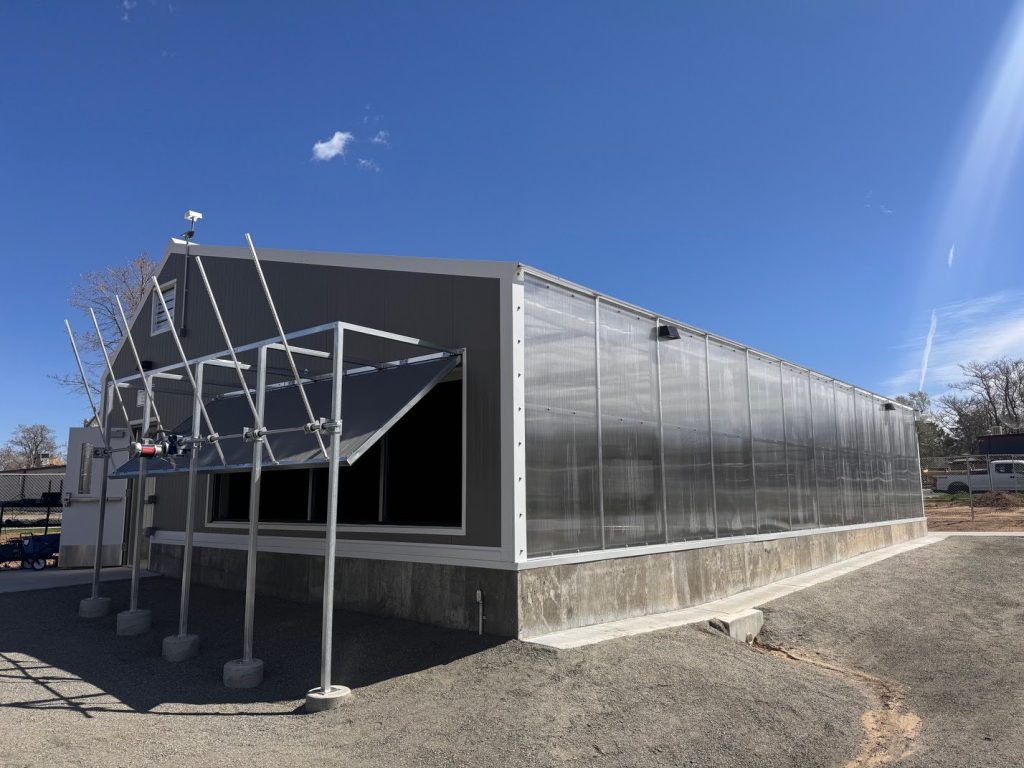
Year-Round Educational Growing with Ceres Systems

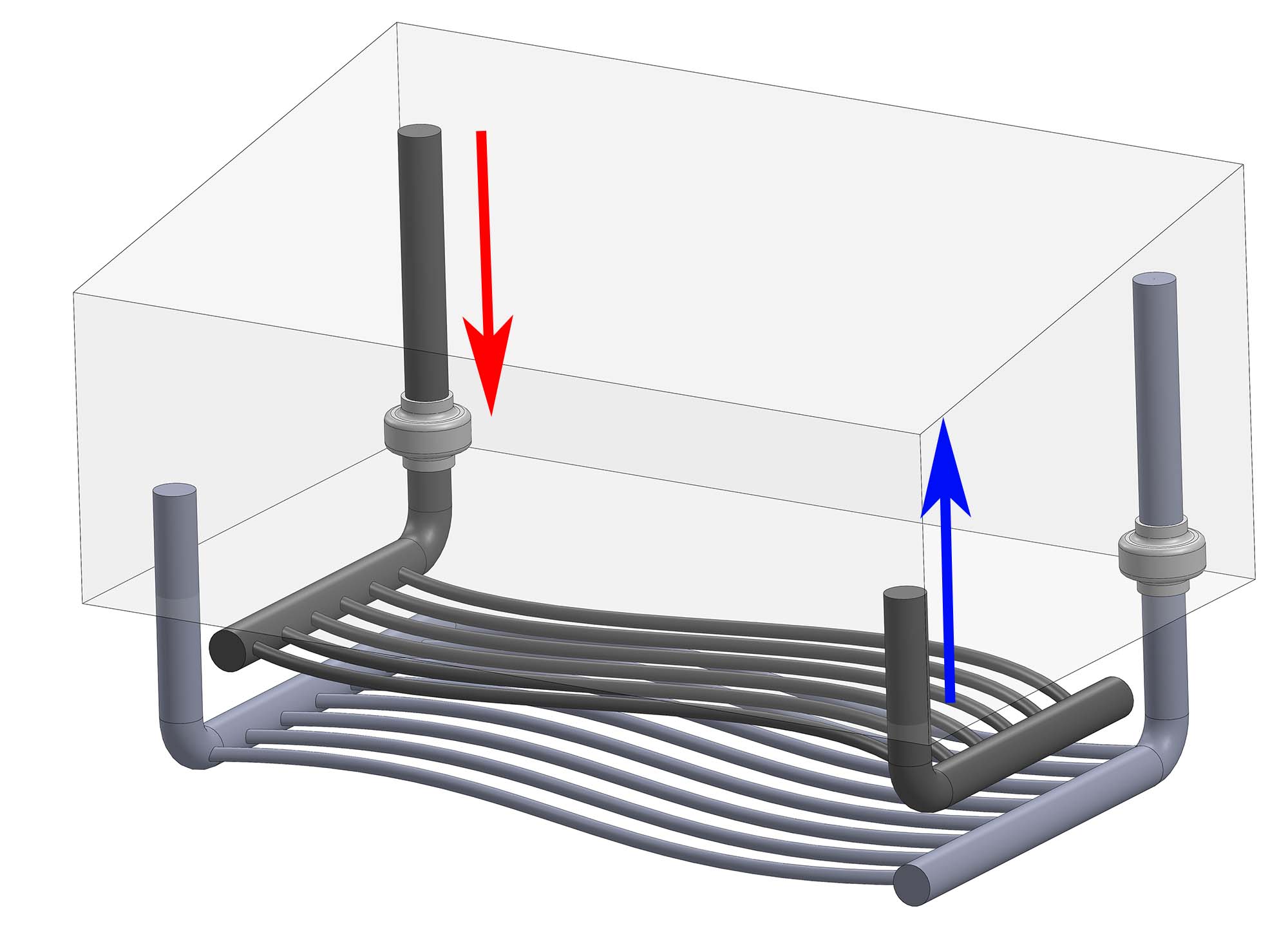
Climate Battery Technology (GAHT®)

Ceres greenhouses utilize Ground to Air Heat Transfer (GAHT®) systems to stabilize greenhouse temperatures and reduce energy demand. This allows schools to maintain productive learning environments throughout the year while minimizing operational costs.

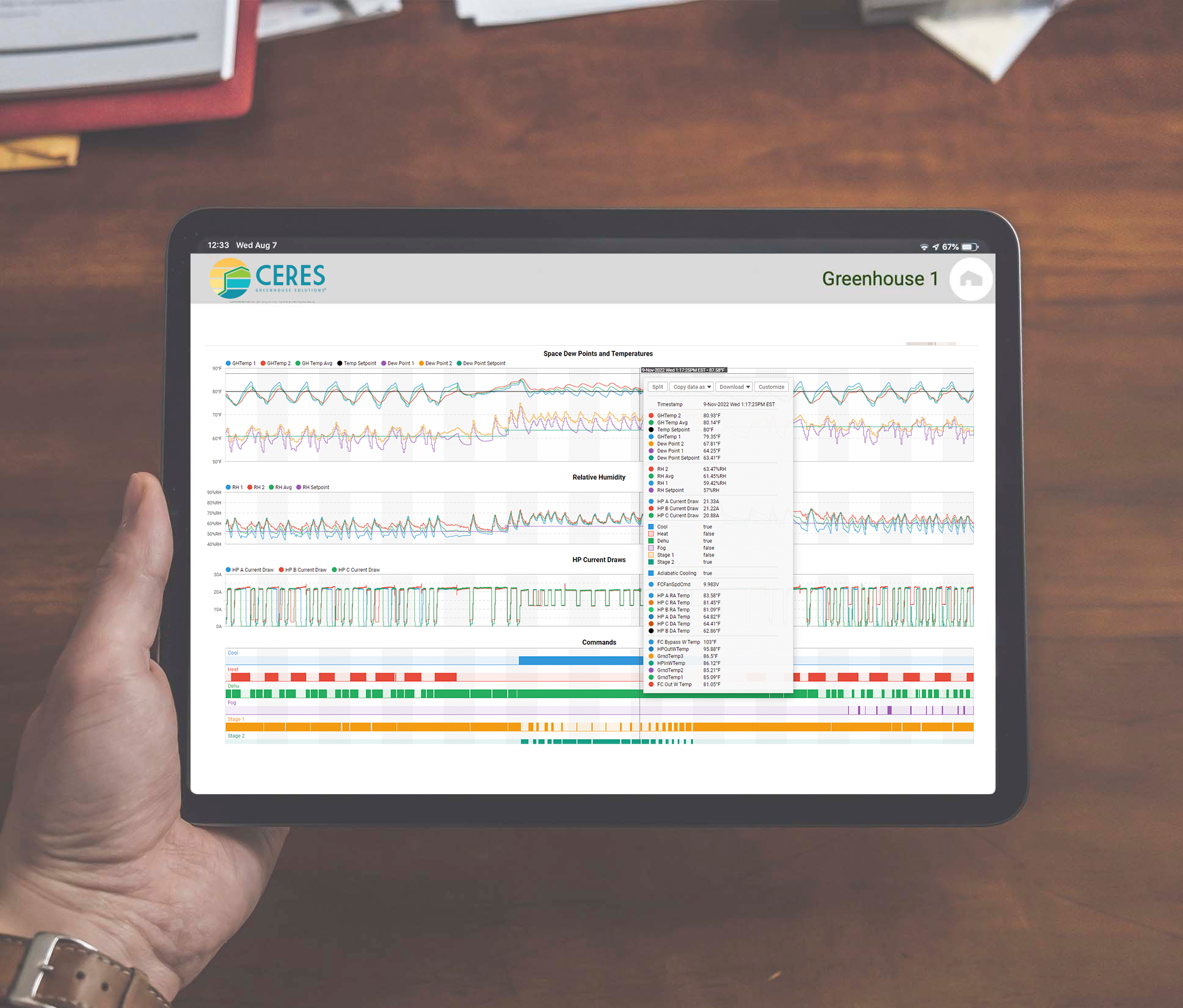
SunSense™ Environmental Controls

SunSense™ greenhouse controls help automate ventilation, temperature management, humidity control, irrigation systems, and environmental monitoring, while also providing valuable hands-on learning opportunities for students studying environmental controls, sustainability, and agricultural technology.

Energy-Efficient Educational Greenhouse Design

Ceres educational greenhouses are engineered for passive solar performance, energy efficiency, climate resilience, long-term durability, and reduced operational costs, making them especially attractive for schools pursuing sustainability, resiliency, and carbon reduction initiatives.

Learn more about:

→The GAHT® System                     SunSense™ Controller

Educational Applications for Greenhouses

Educational greenhouses can support a wide range of programs and activities including:

  • STEM laboratories
  • Hydroponics/Aquaponics education
  • Sustainable agriculture education
  • Environmental science labs
  • School gardens
  • Culinary education
  • Community outreach programs
  • Teacher training
  • Research projects

Educational Greenhouse Funding & Grants

Many educational greenhouse projects are funded through:

  • USDA Farm to School Grants
  • Local sustainability initiatives
  • Career & Technical Education (CTE) funding
  • Environmental education grants
  • School nutrition grants
  • Community food resiliency funding

View Our Educational Greenhouse Case Studies:

Appalachian State University (North Carolina)

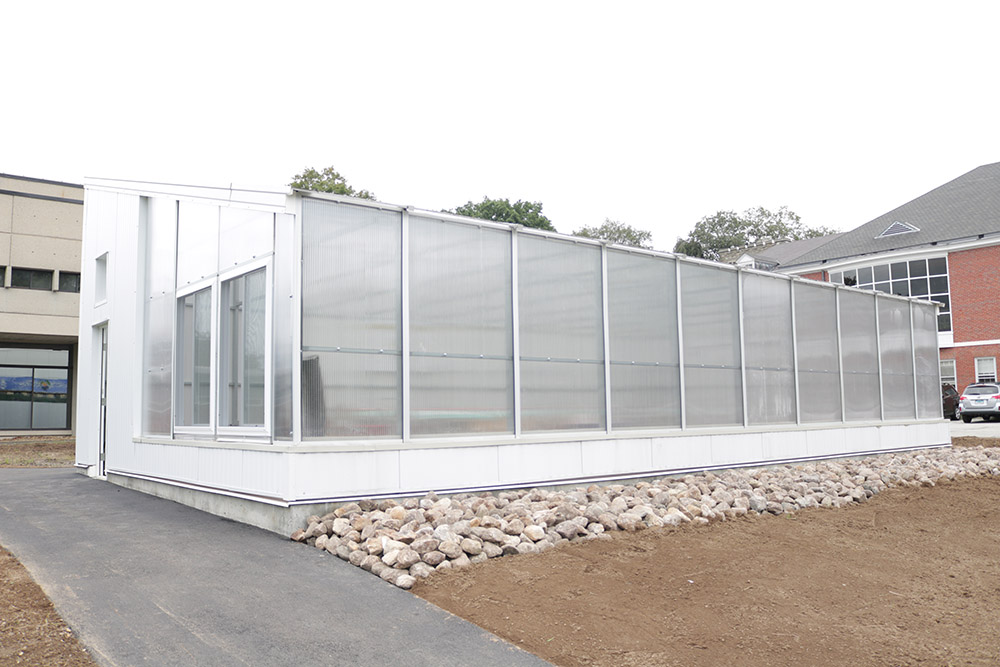
Ceres greenhouse at App State University

Bruce Randolph School (Colorado)

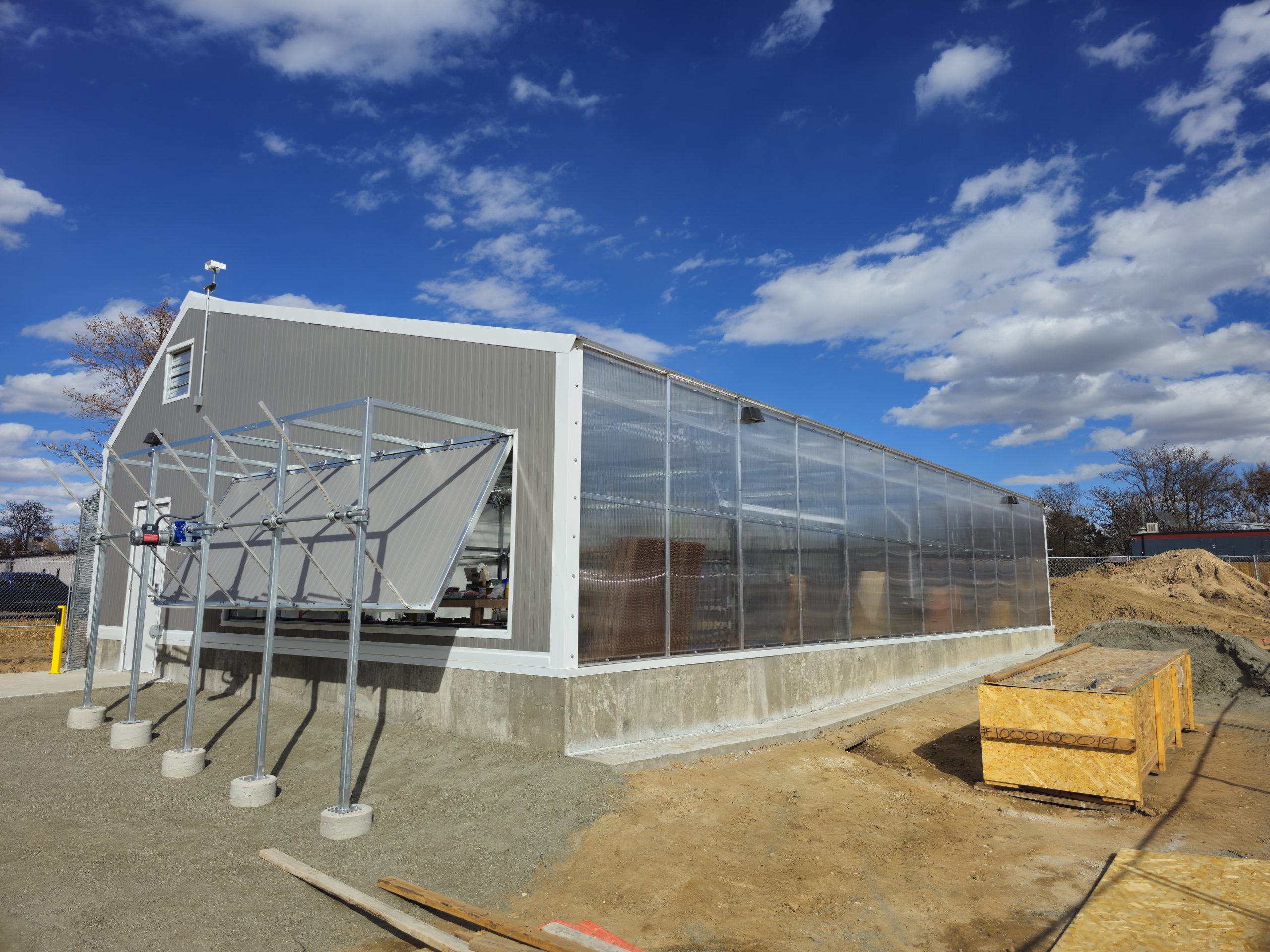
Ceres Greenhouse Bruce Randolph School

St. Thomas More (Washington)

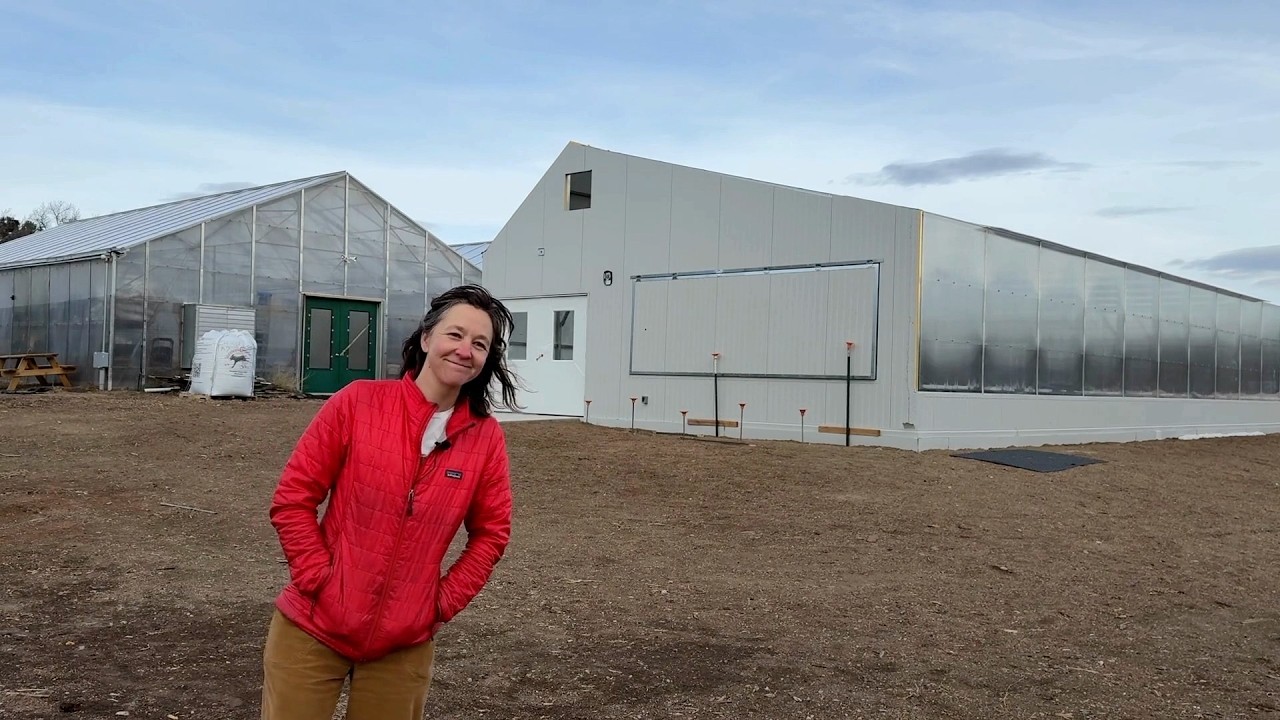
St. Thomas More School- Educational greenhouse

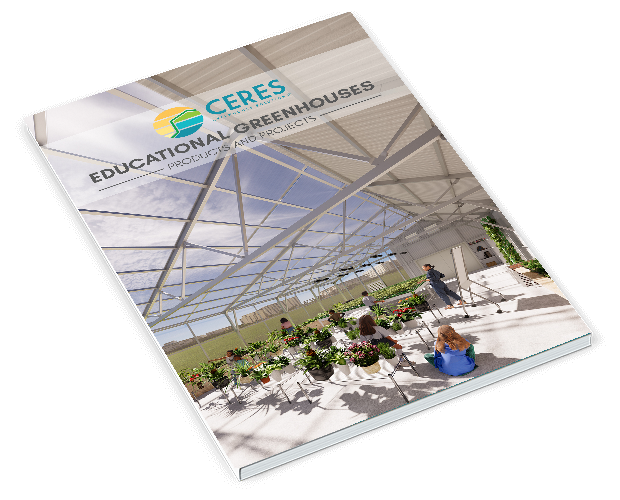
Access Our Educational Greenhouse Brochure

Educational brochure

By clicking the button above, you agree to receive emails from Ceresgs.com. Unsubscribe at any time.

Related Educational Videos:

Educational FAQs

We offer Design Development services for educational institutions looking to build a greenhouse. This package includes plans for your school greenhouse, greenhouse material recommendations, and climate control systems sizing and recommendations.

We will work with an architect of your choice to create a school greenhouse that works for your institution’s specific needs and requirements.

Contact us to learn more

Yes. We offer educational greenhouses starting at 18ft wide by 24ft long (this length can be expanded in units of 6ft). 

Check out our BackYard Kits for more detailed information.

Or Contact us.

Yes. There are many grants available for educational institutions. We recommend starting this process by viewing our Financing Resources page

If you are not experienced with grant writing we recommend working with a local grant writer to better help you secure the grant you are after.

Yes. Please contact us to discuss your particular needs and we can evaluate what is possible. 

Typically our school greenhouse kits are free standing, however, we do offer customized options depending on your institutions needs.

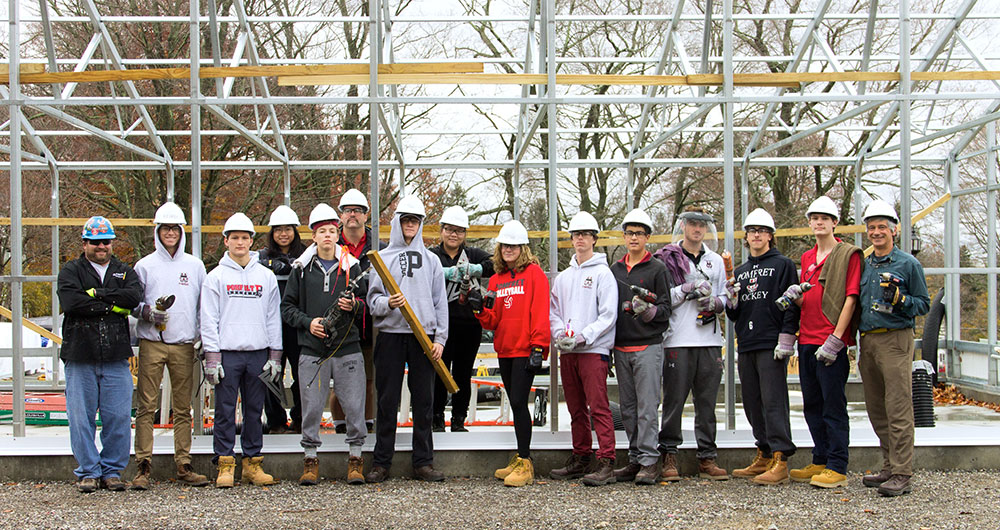
Absolutely. One of our educational greenhouses in Pomfret, Connecticut employed its students in the construction of their greenhouse. The students not only helped build, but also helped in the design process. Read more about it on our blog: An Aquaponic School Greenhouse Comes to Life.

Determining the correct size for your school greenhouse will depend on many factors such as: the age range of your students, whether you are looking to incorporate classroom space, whether you wish to incorporate aquaponics, budget, site constraints, etc.

Please contact us to discuss your specific needs.

Educational greenhouse costs vary based on:

  • Size
  • Climate zone
  • Environmental systems
  • Site conditions
  • Year-round growing goals

Ceres can provide conceptual pricing and planning guidance based on your program requirements.

Yes. Ceres greenhouse systems are designed for four-season operation using integrated passive solar and climate management systems.

Absolutely. Educational greenhouses provide hands-on learning opportunities across biology, engineering, environmental science, agriculture, and sustainability education.

Tell Us About Your Project