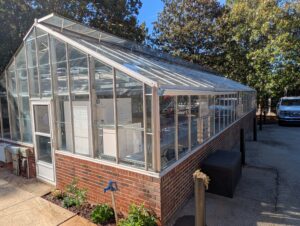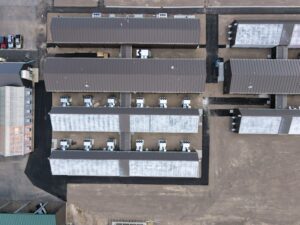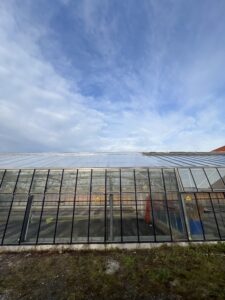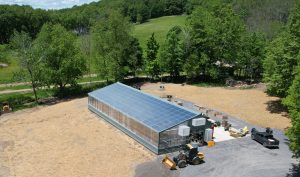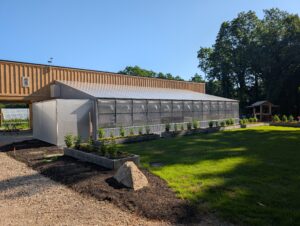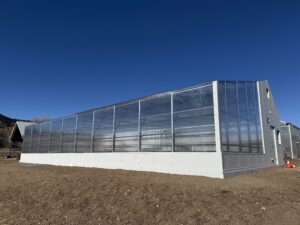
Location: Lander, Wyoming
Climate Zone: 5a
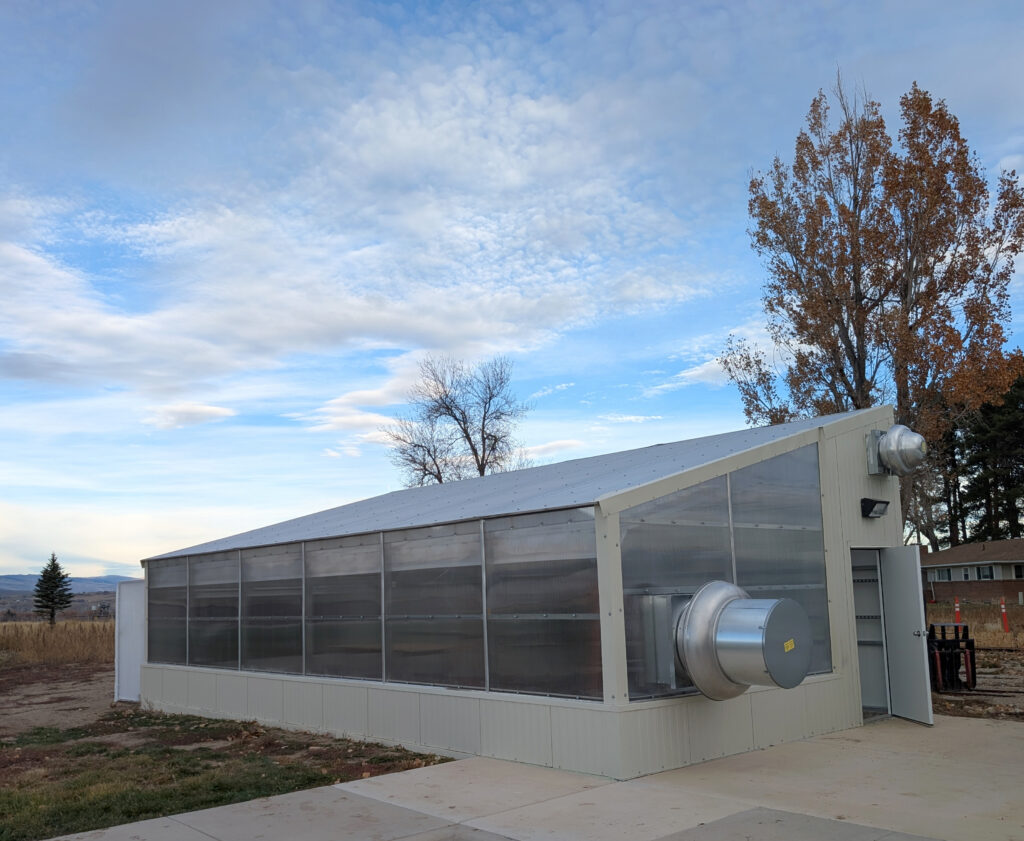
Size: 18’x36′
Application: Educational
Technologies: SunSense™, GAHT®, Wet Wall, Insect Screens, HAF fans
Date Completed: 2025
Located in the Mountain West, the school has built its agricultural curriculum around a straightforward idea: students learn best by doing. The new Ceres greenhouse is the latest addition to a program that emphasizes hands-on, real-world experience.
The greenhouse is part of the Regenerative Food Systems degree and certificate programs within the broader Agricultural curriculum. Funding came through the Wyoming Innovation Partnership (WIP), a statewide grant program backing innovation across multiple fields. The project was developed in collaboration with the University of Wyoming, which is working to advance controlled environment agriculture (CEA) across the state, bringing that work directly into the classroom.
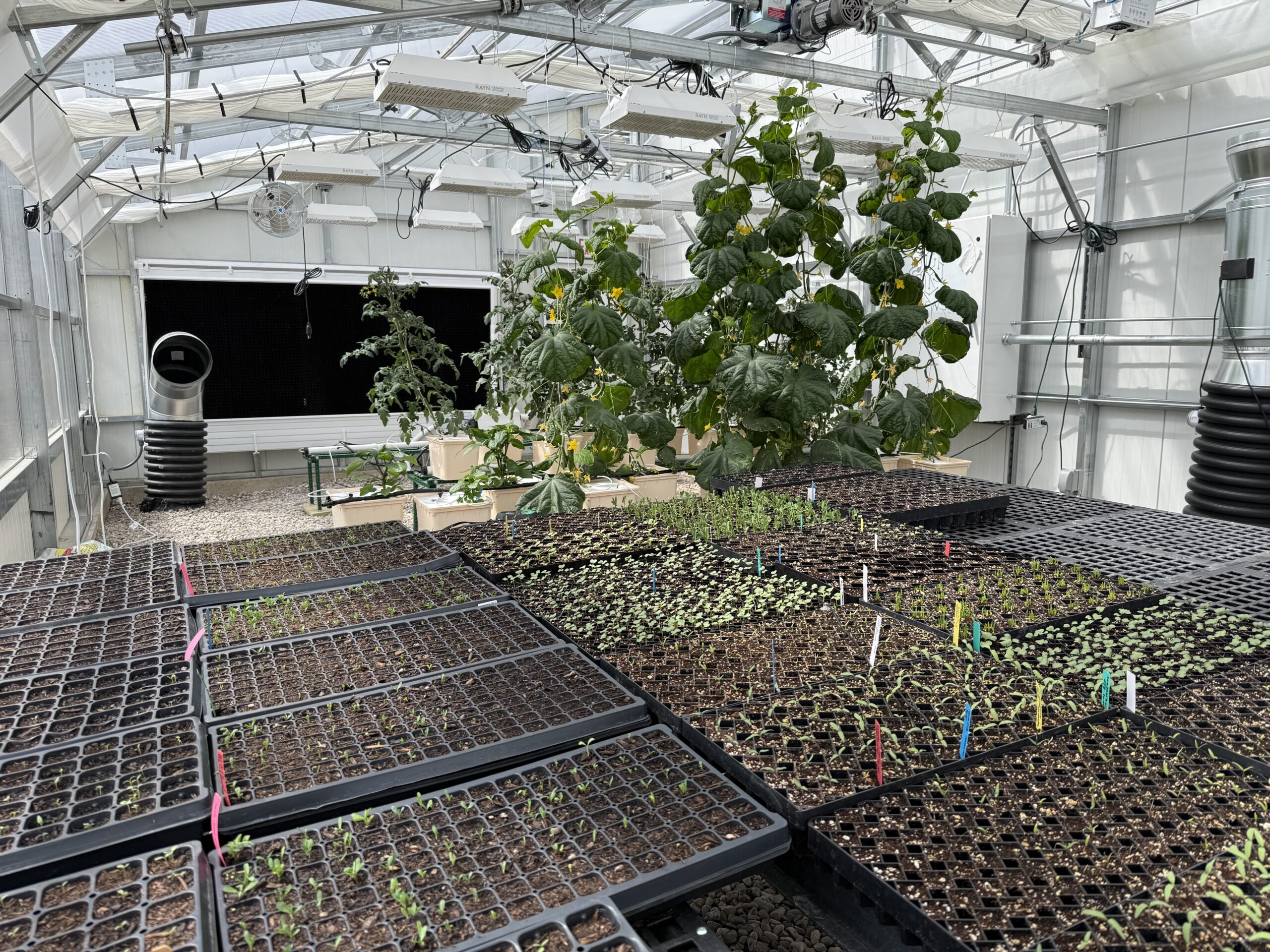
The greenhouse runs year-round and serves three core functions, each tied directly to student learning and workforce preparation:
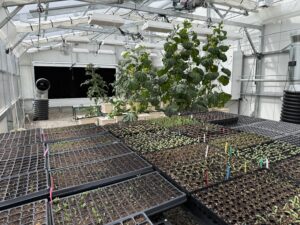
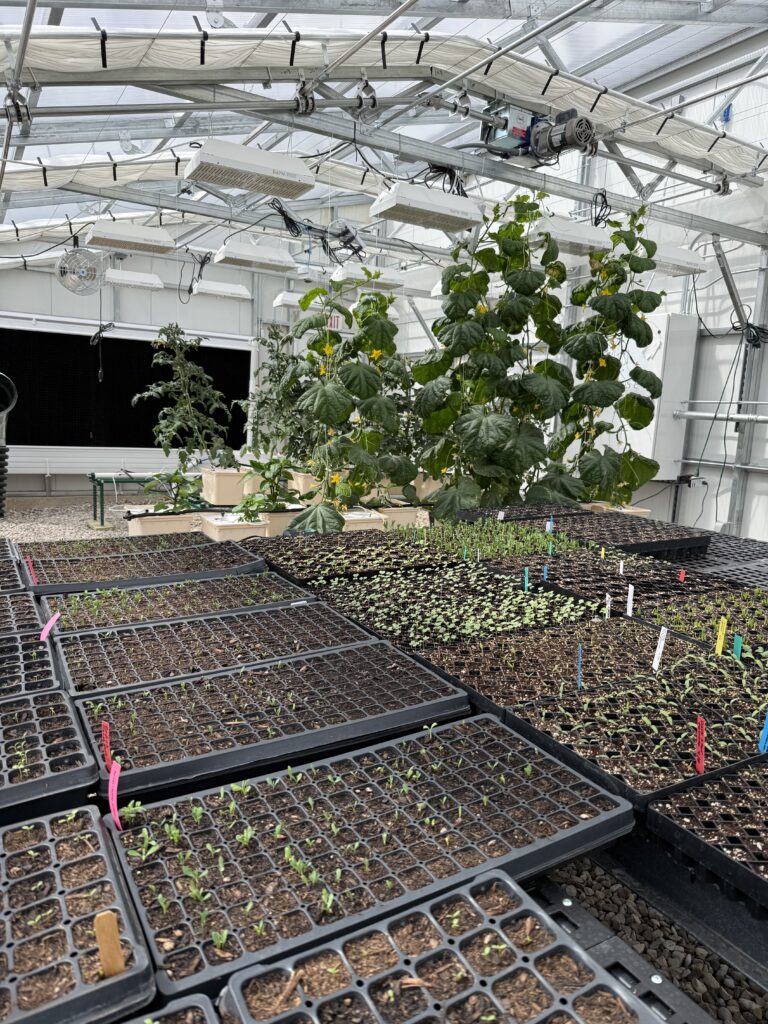
- Seedling production- for the outdoor farm and the Alpine Science Institute’s education program
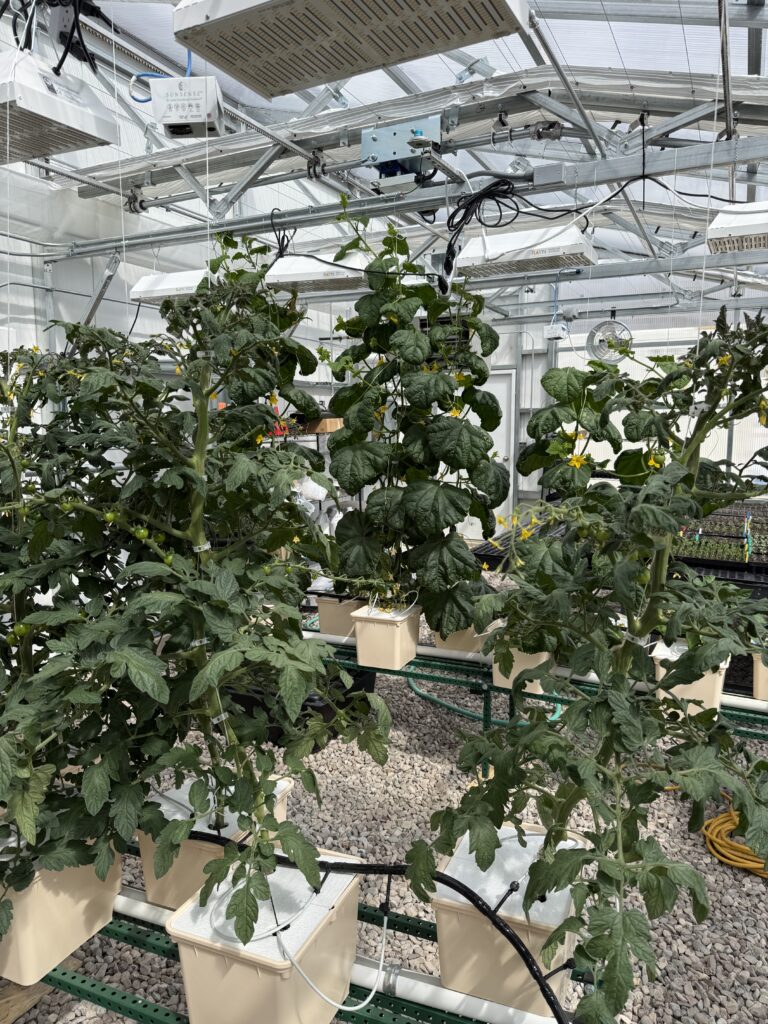
- Hydroponic fruiting crop production- using a bato bucket system alongside an existing container farm, provides students with side-by-side exposure to different growing technologies
- Student lab and project space- intended for independent research and hands-on experimentation
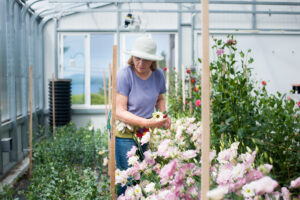
- Crops grown include annual vegetables, cut flower seedlings, and hydroponic fruiting crops.
Where Regenerative and Controlled Environment Agriculture Meet
The Regenerative Food Systems program trains students to work within and/or build farm businesses that are both financially and environmentally sustainable. That means developing skills in crop production, business planning, soil health, and food security, preparing graduates to run their own operation or work across a growing range of agricultural careers.
The greenhouse extends that preparation into controlled environment agriculture. Greenhouses protect crops from extreme weather, lengthen growing seasons, and make it possible to grow a wider range of crops across climates. Regenerative and CEA approaches reinforce each other, and students who understand both are well-positioned for a modern agricultural workforce.
Why Ceres
The school selected Ceres for its reputation for durable construction, energy-efficient design, and technology that holds up in demanding conditions, important factors in Wyoming’s climate. The facility is designed to operate year-round and to serve as a working demonstration space for students, faculty, and visitors interested in where agricultural technology is headed.
Contact us to learn more